Key Facts
- ✓ A massive winter storm has left approximately 400,000 people without power across large swaths of the United States.
- ✓ The severe weather threatens nearly 180 million people—more than half the U.S. population—along a corridor from the southern Rocky Mountains to New England.
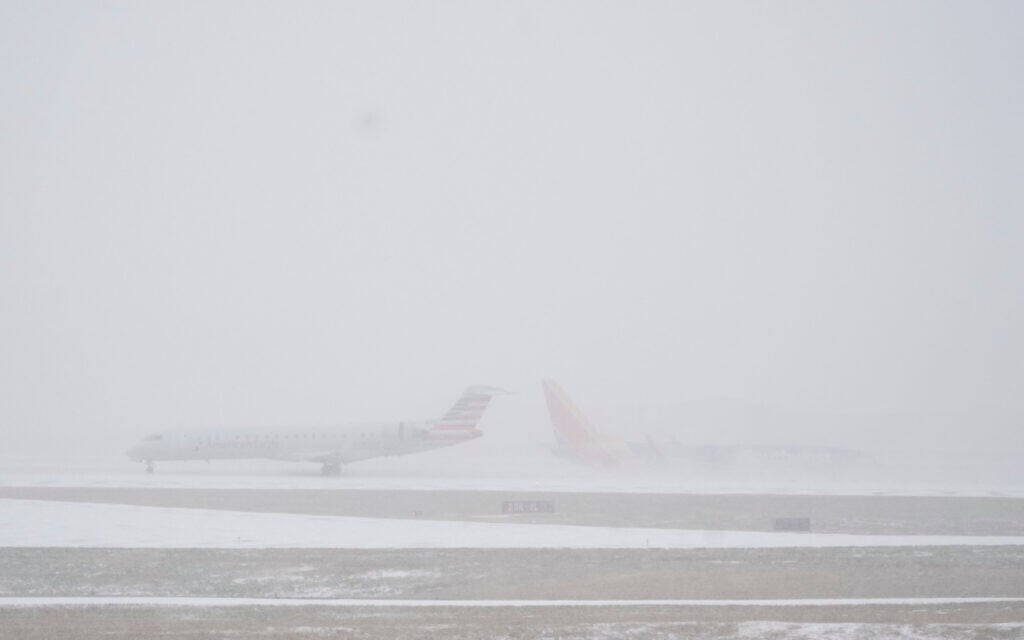
- ✓ Thousands of weekend flights have been canceled as the storm disrupts air travel across the country.
- ✓ The National Weather Service warns of several days of bitter cold following the initial storm, which will significantly hamper recovery efforts.
- ✓ Major highways have become treacherous with ice, turning travel dangerous and complicating emergency response efforts.
- ✓ The slow-melting nature of the snow and ice means hazardous conditions will persist long after precipitation stops.
Quick Summary
A massive winter storm is currently battering large swaths of the United States, creating widespread disruption and danger for millions of Americans. The severe weather system, which began its assault on Saturday, has already left approximately 400,000 people without power across affected regions.
The storm's impact is both broad and severe, threatening nearly 180 million people—more than half the nation's population—along a vast corridor stretching from the southern Rocky Mountains to New England. With heavy snow, sleet, and freezing rain in its arsenal, the system is turning major highways into treacherous passages and grounding thousands of weekend flights.
The situation has prompted urgent warnings from the National Weather Service, which anticipates several days of bitter cold and cautions that recovery efforts will be significantly hampered by the slow-melting snow and ice. As communities brace for the storm's continued impact, experts are analyzing the broader implications for urban infrastructure and crisis management.
Widespread Disruption
The storm's immediate impact on transportation has been severe, with thousands of U.S. flights scheduled for the weekend already canceled. Air travel disruptions are just one facet of a much larger transportation crisis, as the combination of heavy precipitation and plummeting temperatures has rendered major highways dangerously icy.
Ground transportation faces significant challenges as the storm progresses:
- Major highways across multiple states are covered in ice
- Travel conditions are becoming increasingly treacherous
- Weekend travel plans for millions have been disrupted
- Emergency services face accessibility challenges
The geographic scope of the storm is particularly concerning, affecting a corridor from the southern Rocky Mountains to New England. This vast area encompasses numerous major cities and transportation hubs, amplifying the storm's potential for economic and social disruption. The simultaneous impact on air and ground travel creates a compounding effect that limits alternative routes and evacuation options.
"The slow-melting snow and ice would significantly hamper recovery efforts."
— National Weather Service
Human Impact & Scale
The storm's threat to human safety is unprecedented in its scale, putting nearly 180 million people at risk from dangerous weather conditions. This represents more than half of the entire U.S. population, making this one of the most geographically extensive winter weather events in recent memory.
Key areas of concern include:
- Exposure to extreme cold temperatures
- Risk of hypothermia and frostbite
- Potential for power outages to continue growing
- Increased danger for vulnerable populations
The National Weather Service has issued warnings about several days of bitter cold following the initial storm. This prolonged exposure to extreme temperatures significantly increases health risks, particularly for those without adequate heating or shelter. The combination of initial precipitation and subsequent freezing temperatures creates a dangerous scenario where snow and ice will not melt quickly, potentially extending hazardous conditions for days.
Expert Analysis
The crisis has drawn attention from Guillaume Lavoie, a Public Policy Expert specializing in Urban Affairs and Crisis Management based in Montreal. His insights provide valuable perspective on the challenges facing affected communities as they navigate this severe weather event.
According to crisis management principles, the slow-melting snow and ice associated with this storm will significantly hamper recovery efforts. This creates a cascading effect where initial damage is compounded by prolonged access issues and continued hazardous conditions.
The slow-melting snow and ice would significantly hamper recovery efforts.
Urban areas along the storm's path face particular challenges, as dense populations and complex infrastructure systems require coordinated response efforts. The combination of power outages, transportation disruptions, and extreme cold creates a multi-faceted crisis that tests the resilience of municipal services and emergency management systems.
Recovery Challenges
The National Weather Service warning about extended recovery time frames highlights the unique challenges presented by this storm system. Unlike winter storms that bring warmer temperatures in their wake, this system is expected to be followed by several days of bitter cold, preventing rapid melting of accumulated snow and ice.
Recovery efforts will face multiple obstacles:
- Continued power restoration challenges
- Limited access to affected areas due to ice
- Extended periods of dangerous cold temperatures
- Compounding effects on infrastructure and services
The slow-melting nature of the snow and ice means that even after precipitation stops, hazardous conditions will persist. This creates a prolonged period where emergency services, utility crews, and transportation authorities must operate in challenging conditions, potentially extending the timeline for full recovery significantly beyond the storm's immediate passage.
Looking Ahead
As the storm continues to impact the United States, communities across a vast geographic area are bracing for several more days of difficult conditions. The 400,000 people currently without power represent just the beginning of what could be a prolonged recovery process, with the slow-melting snow and ice expected to hamper restoration efforts for an extended period.
The National Weather Service warnings about continued bitter cold underscore the importance of preparedness and community support systems. With nearly half the nation's population affected, the storm's impact will likely be felt in economic, social, and infrastructure terms for weeks to come.
For crisis management experts like Guillaume Lavoie, this event represents a significant test of urban resilience and emergency response capabilities. The lessons learned from this widespread weather event will likely inform future preparedness strategies for similar large-scale emergencies, particularly as climate patterns continue to evolve and extreme weather events become more frequent and severe.