Key Facts
- ✓ European leaders are convening in Brussels for an emergency EU meeting to address escalating transatlantic tensions.
- ✓ The summit follows a series of public remarks from former U.S. President Donald Trump that have strained relations with European allies.
- ✓ The central challenge for leaders is to formulate a unified European response that balances diplomatic engagement with the defense of collective interests.
- ✓ The outcome of the Thursday meeting will signal Europe's strategic direction and its capacity for internal cohesion in the face of external pressure.
- ✓ The summit highlights the ongoing test of the transatlantic alliance, a cornerstone of international stability for decades.
A Critical Crossroads
The diplomatic atmosphere in Brussels is thick with anticipation as European leaders prepare for an emergency summit. The meeting, scheduled for Thursday, comes at a moment of heightened scrutiny for the transatlantic alliance. The central question on the table is not just policy, but posture: how should Europe respond to a series of pointed remarks from a prominent American political figure?
For many leaders in the European Union, the patience for what they perceive as jibes and provocations is wearing thin. The ball is now firmly in their court, and the decisions made in the coming days will likely define the tone of international relations for the foreseeable future. The stakes extend beyond mere rhetoric, touching upon the core principles of cooperation and mutual respect that have underpinned the Western alliance for decades.
The Brussels Summit
The emergency meeting in Brussels represents a pivotal moment for the European Union. Leaders from across the continent are converging on the Belgian capital to deliberate on a unified strategy. This is not a routine diplomatic gathering; it is a direct response to a rapidly evolving geopolitical landscape where traditional alliances are being tested.
The agenda is expected to be dominated by discussions on how to maintain European cohesion and sovereignty. Key topics will likely include:
- Formulating a collective diplomatic response
- Assessing the impact on ongoing trade and security negotiations
- Strengthening internal EU solidarity
- Charting a path for future engagement with the United States
The urgency of the summit underscores the gravity with which the situation is viewed. European nations are navigating a complex web of interests, and finding common ground is essential for an effective outcome.
"The ball is in the court of European leaders ahead of Thursday's emergency EU meeting in Brussels."
— Nick Beake
A Strained Transatlantic Relationship
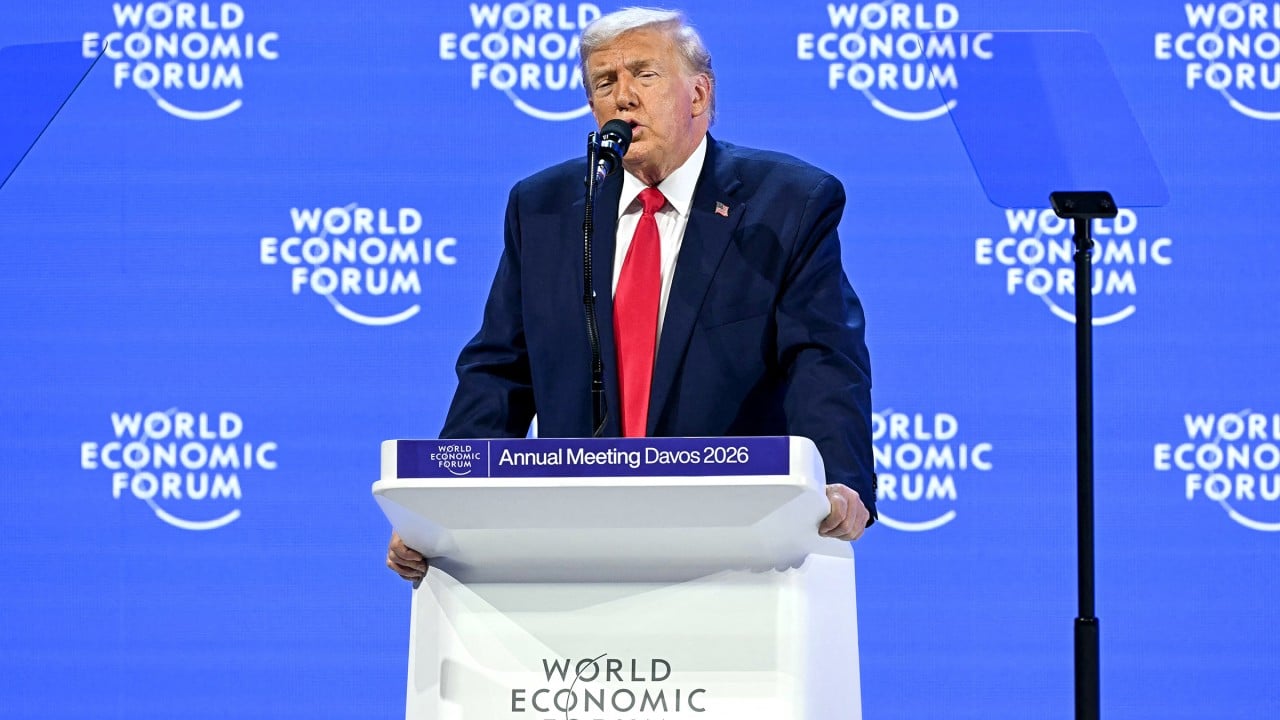
The backdrop to the summit is a series of public comments from Donald Trump that have strained relations with European capitals. These remarks, often delivered with a sharp tone, have been interpreted by many officials as undermining the spirit of alliance. The cumulative effect has been a growing sense of frustration and a desire for a more assertive European stance.
For years, the transatlantic partnership has been a cornerstone of global stability. However, recent developments have introduced a level of unpredictability that complicates strategic planning. European leaders must now weigh the need to preserve this vital relationship against the imperative to defend their collective dignity and interests.
The ball is in the court of European leaders ahead of Thursday's emergency EU meeting in Brussels.
This sentiment captures the current dynamic perfectly. Europe is being called upon to define its role and response, moving from a reactive position to one of proactive diplomacy. The challenge is to do so without escalating tensions further.
The Challenge of Unity
One of the most significant hurdles facing the EU is achieving a consensus among its 27 member states. Each nation has its own unique relationship with the United States and varying levels of tolerance for provocative rhetoric. Crafting a single, coherent message that reflects the diverse perspectives within the bloc is a formidable diplomatic task.
Differences in economic reliance, security dependencies, and political history mean that a one-size-fits-all approach is unlikely. Some nations may advocate for a firm, public rebuke, while others might prefer behind-the-scenes diplomacy to avoid a public confrontation. The success of the summit will be measured by the ability to bridge these divides and present a united front.
The internal dynamics of the EU are as critical as the external pressures. A failure to align could project an image of weakness, potentially emboldening further provocations. Conversely, a strong, unified stance could reinforce Europe's position as a major global player capable of defending its interests.
What's at Stake
The implications of the Brussels summit extend far beyond the immediate issue of rhetorical spats. The decisions made will have lasting consequences for international trade, security cooperation, and the future of the liberal international order. A breakdown in trust could jeopardize ongoing negotiations and complicate collaborative efforts on critical global challenges.
For European citizens, the outcome will influence everything from economic stability to national security. The continent's ability to act independently and confidently on the world stage is a key factor in its long-term prosperity and safety. The summit is therefore not just a meeting of diplomats, but a moment that will shape the continent's future trajectory.
The world is watching closely. The response crafted in Brussels will send a powerful signal about Europe's resolve and its vision for its role in a changing world. It is a test of leadership, diplomacy, and the enduring strength of European unity.
The Path Forward
As the summit concludes, the focus will shift from deliberation to action. The key takeaway will be the nature and tone of the final communiqué or joint statement issued by the leaders. This document will serve as the official European response and will be scrutinized for signs of cohesion or division.
Looking ahead, the relationship between Europe and the United States will undoubtedly be under a microscope. The summit in Brussels is a critical juncture, but it is also the beginning of a new chapter in transatlantic diplomacy. The challenge now is to translate the discussions into a sustainable strategy that protects European interests while keeping channels of communication open.
Ultimately, the strength of the European project will be tested by its ability to navigate these complex external pressures. The decisions made in Brussels will resonate for years to come, defining the continent's place in a world where old certainties are fading and new alliances are being forged.