Key Facts
- ✓ The administration imposed tariffs on steel (25%) and aluminum (10%) under Section 232, citing national security.
- ✓ Section 301 tariffs targeted Chinese goods to address intellectual property concerns and the trade deficit.
- ✓ Trading partners, including China and the EU, implemented retaliatory tariffs on US exports, particularly agricultural products.
- ✓ The trade disputes led to significant disruptions in global supply chains and increased costs for some US industries.
Quick Summary
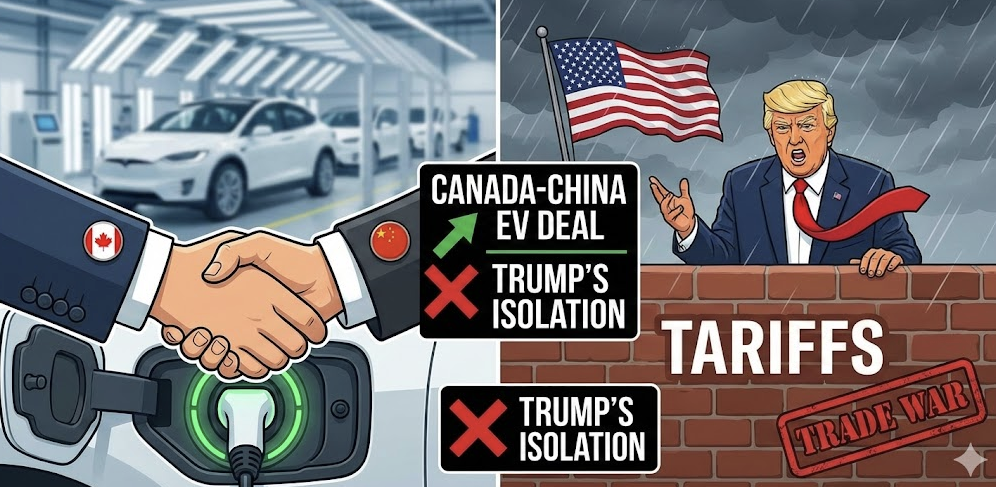
The Trump administration initiated a significant shift in trade policy by imposing numerous tariffs on imported goods. These actions were primarily justified under two legal authorities: Section 232, which addresses threats to national security, and Section 301, which targets unfair trade practices. Key targets included steel and aluminum imports, as well as a vast array of products from China, with the stated goal of protecting domestic industries and addressing the trade deficit.
The economic consequences were widespread. Trading partners, including China, the European Union, Canada, and Mexico, responded with retaliatory tariffs on American exports, particularly agricultural products like soybeans and pork. This led to a trade war that disrupted established supply chains and created uncertainty for businesses. While some domestic industries, such as steel production, experienced short-term benefits from reduced foreign competition, many others, including agriculture and manufacturing that relied on imported components, faced significant economic headwinds and higher costs.
The Foundation of Tariff Policy
The administration's trade strategy relied heavily on the use of tariffs as a tool to reshape global commerce. These taxes on imports were not applied randomly but were based on specific legal justifications and targeted economic sectors. The primary focus was on protecting foundational industries and responding to perceived inequities in the global trading system.
Section 232 Tariffs
In March 2018, the administration declared that imports of steel and aluminum threatened national security. This declaration authorized the imposition of tariffs of 25% on most steel imports and 10% on most aluminum imports. The policy included exemptions for certain countries, which were later revoked for several nations, including Canada, Mexico, and the European Union. The stated objective was to bolster the domestic production of these critical materials for defense and infrastructure.
Section 301 Tariffs
Beginning in July 2018, the administration used Section 301 of the Trade Act of 1974 to impose tariffs on Chinese goods. This action was taken following an investigation into China's intellectual property and technology transfer policies. These tariffs were implemented in multiple rounds, targeting thousands of products and affecting hundreds of billions of dollars in trade. The goal was to pressure China to change its trade practices and reduce the US trade deficit with the country.
Economic Impact and Retaliation
The implementation of tariffs triggered immediate and significant reactions from global trading partners. The economic effects were felt across multiple sectors, influencing prices, supply chains, and international trade flows. The policy created a complex environment for businesses and consumers alike.
Retaliatory Measures
In response to the US tariffs, several countries enacted their own tariffs on American products. China, the primary target of the Section 301 tariffs, imposed retaliatory duties on US goods, with a particular focus on agriculture. Other major trading partners, including the European Union, Canada, and Mexico, also implemented counter-tariffs on a range of US exports. This tit-for-tat escalation led to a decline in US agricultural exports and created significant challenges for farmers and ranchers.
Supply Chain Disruption
The tariffs disrupted long-established global supply chains. Companies that relied on imported raw materials or components faced higher costs, which were often passed on to consumers. Some manufacturers were forced to seek new suppliers or re-engineer products to avoid tariffed inputs. This uncertainty also led to a slowdown in business investment as companies hesitated to make long-term decisions in a volatile trade environment. The manufacturing sector experienced mixed results, with some benefiting from protection while others struggled with increased costs.
Impact on Specific Industries
The tariffs had varying effects on different segments of the US economy. While the policy was designed to protect certain domestic industries, it also created significant challenges for others that were integrated into global supply chains or dependent on exports.
Steel and Aluminum Industries
Domestic producers of steel and aluminum saw a direct benefit from the Section 232 tariffs. The measures led to increased prices for their products and allowed them to expand production and capacity. However, industries that are major consumers of these metals, such as the automotive and construction sectors, faced higher input costs. This created tension between producers and users of steel and aluminum within the US economy.
Agriculture
The agricultural sector was one of the most significantly affected by the trade disputes. Retaliatory tariffs from China and other nations targeted key US agricultural exports, including:
- Soybeans: Exports to China, the largest market, plummeted.
- Pork: Facing tariffs in multiple markets, reducing export volumes.
- Corn: Prices fell due to reduced export demand and oversupply.
- Dairy: Faced new barriers in key export markets.
To mitigate the damage, the administration provided billions of dollars in federal aid to farmers.
Consumer Goods and Technology
Tariffs on a wide range of consumer goods, from electronics to clothing, led to increased prices for some items. The tariffs on Chinese goods particularly affected the technology sector, targeting components and finished products. This created uncertainty for tech companies and contributed to concerns about inflation and consumer spending.
Long-Term Trade Policy Shifts
The tariff policies represented a fundamental departure from decades of US trade strategy, which had generally favored multilateral agreements and the reduction of trade barriers. This shift had lasting implications for international relations and the global economic order.
Renegotiation of Trade Agreements
The administration leveraged the threat and imposition of tariffs to renegotiate existing trade agreements. A notable outcome was the replacement of the North American Free Trade Agreement (NAFTA) with the United States-Mexico-Canada Agreement (USMCA). The new agreement included updated provisions on intellectual property, digital trade, and rules of origin for the automotive industry, with the goal of increasing US manufacturing content.
Global Trade Tensions
The use of tariffs as a primary policy tool increased global trade tensions and uncertainty. The World Trade Organization (WTO) faced challenges as the US bypassed its dispute settlement mechanisms. The policy prompted discussions among other nations about the future of global trade rules and the potential for a broader fragmentation of the world economy into competing trade blocs. The long-term economic impact on global GDP and trade growth remains a subject of ongoing analysis.