Key Facts
- ✓ $7.5 billion allocated to bolster Pentagon's critical minerals reserves in six depots.
- ✓ Planned stockpiles include 7,500 metric tons of cobalt and 50,000 metric tons of graphite.
- ✓ These reserves could electrify 102,896 buses or produce 80.2 gigawatt-hours of battery capacity.
- ✓ Materials accessible only during declared war or by Undersecretary of War order.
- ✓ U.S. military accounts for 80 percent of government's greenhouse-gas emissions.
Quick Summary
The Pentagon is stockpiling critical minerals like cobalt, lithium, and graphite, which are essential for both military hardware and clean energy technologies.
Funded by $7.5 billion from President Donald J. Trump's One Big Beautiful Bill Act, the effort involves six depots managed by the Defense Logistics Agency.
These materials, often mined or processed in China, support jet engines and weapons but could alternatively power 102,896 electric buses or 80.2 gigawatt-hours of battery storage—exceeding current U.S. capacity.
Access is restricted to wartime or specific orders, raising alarms about diverting resources from decarbonizing transportation and energy sectors.
Pete Hegseth, self-styled Secretary of War, rejects climate initiatives, yet this strategy revives Cold War stockpiling amid supply chain vulnerabilities.
Pentagon's Position on Climate and Resources
Pete Hegseth, who calls himself the Secretary of War, has stated that the Defense Department “does not do climate change crap.”
He asserted last week that the agency “will not be distracted” by climate change or “woke moralizing.”
Despite this rhetoric, the Pentagon is actively engaging with resource issues tied to environmental concerns through its mineral stockpiling program.
The materials in question are designated as critical minerals, a term rooted in military needs for national security.
Leadership Statements
Hegseth's comments underscore a focus on defense priorities over broader environmental goals.
This approach aligns with efforts to reduce dependency on foreign suppliers like China, which dominates the global market for these minerals.
"“does not do climate change crap.”"
— Pete Hegseth, Secretary of War
Details of the Stockpiling Program
President Donald J. Trump's One Big Beautiful Bill Act provided $7.5 billion to enhance the Pentagon's reserves of critical minerals.
This funding breaks down into $2 billion for expanding the stockpile and $5.5 billion for supply chain infrastructure.
The Defense Logistics Agency supervises the effort, storing materials in six depots across the United States.
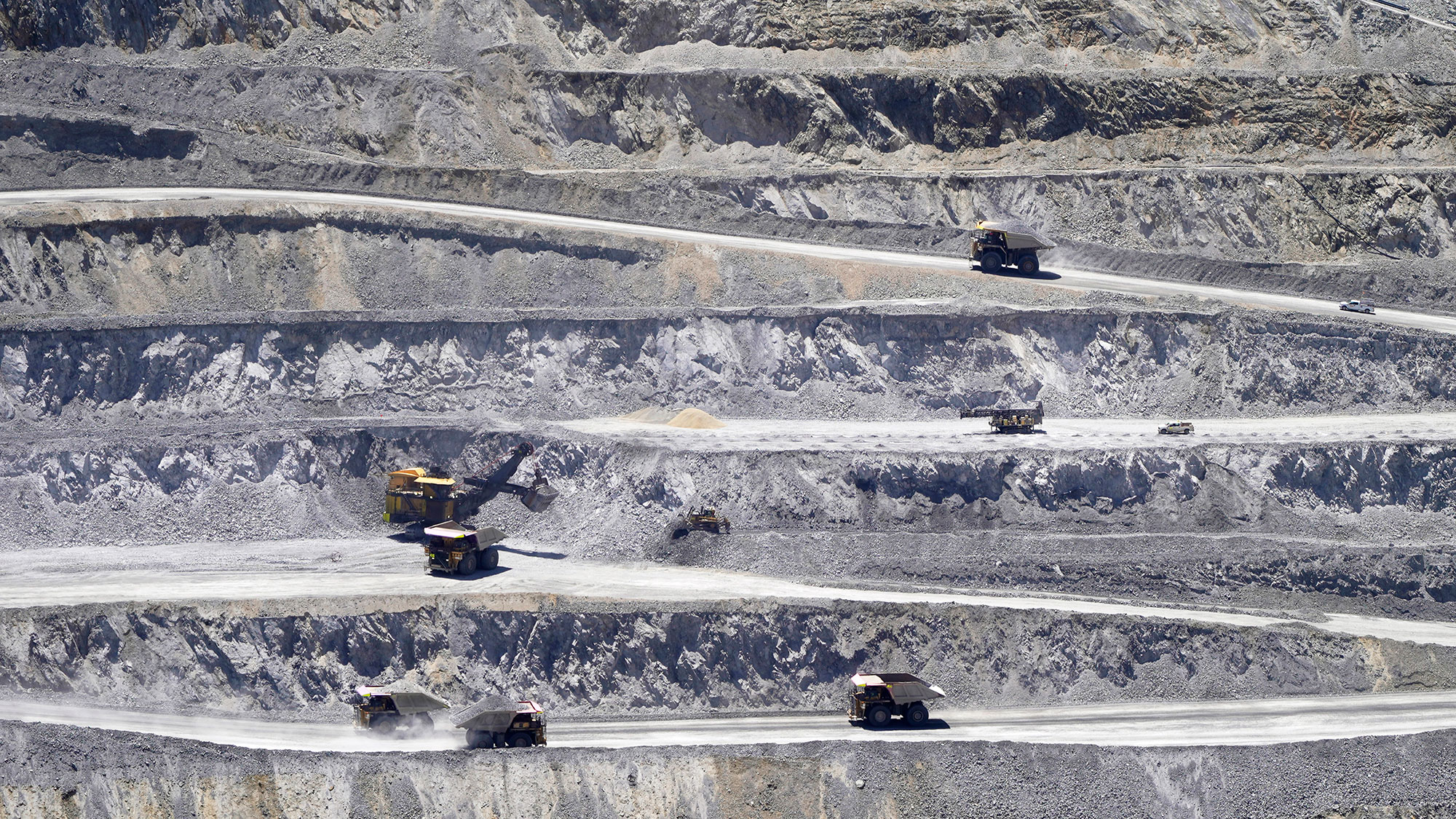
Such minerals are integral to jet engines and weapons systems, with procurement often involving nations like China.
Access Restrictions
A spokesperson for the Defense Logistics Agency confirmed that stockpile materials are accessible only during declared wars or by order of the Undersecretary of War.
The planned reserves include 7,500 metric tons of cobalt and 50,000 metric tons of graphite.
- Cobalt for battery and engine components
- Lithium for energy storage systems
- Graphite for electrodes and structural uses
Implications for Clean Energy Transition
The stockpiling threatens the energy transition by reserving resources that could decarbonize transportation, energy production, and other sectors.
Lorah Steichen, a strategist, described the situation as America facing a choice between missiles and buses.
The International Energy Agency notes that these minerals support peaceful applications like batteries, wind turbines, and other green technologies.
Designating minerals as critical enables fast-tracked mining and procurement for military purposes.
Potential Alternative Uses
The cobalt and graphite reserves could electrify 102,896 buses, far surpassing the approximately 6,000 electric buses currently operating in the U.S.
Alternatively, they could yield 80.2 gigawatt-hours of battery capacity, more than twice the nation's existing energy storage.
Steichen explained, “The term ‘critical minerals’ originates out of military stockpiling – the criticality of a mineral is linked, in part, to its significance to national security.”
This military focus obscures broader resource accountability, as militaries are not required to report mineral procurement or greenhouse-gas emissions.
The U.S. military is the largest institutional emitter of greenhouse gases worldwide, accounting for about 80 percent of the U.S. government's overall emissions.
Historical Context and Expert Views
The last major Pentagon hoarding of non-fuel materials occurred during the Cold War, creating storehouses of industrial raw materials to limit foreign dependency.
By the late 1990s, the U.S. viewed suppliers in regions like the Caribbean as reliable, leading to stockpile reductions that nearly eliminated reserves by 2003.
During Joe Biden's presidency, plans emerged to revive stockpiles specifically to address climate change, though they did not materialize.
Current Concerns
A 2021 Department of Defense report warned that disruptions in rare earth elements— a subset of critical minerals—would primarily harm the civilian economy.
Steichen emphasized pushing back against bellicose associations of critical minerals, questioning their necessity for energy transition versus military definitions.
Experts like Julie Klinger, a geographer at the University of Wisconsin, call for greater scrutiny of military resource use, especially with taxpayer-funded mining projects.
The Pentagon invests in mines in locations such as Alaska, Idaho, and Saudi Arabia.
Right-wing think tanks like the Heritage Foundation and Rand have advocated stockpiling to counter reliance on adversaries like China.
However, researchers note that minerals in batteries can be recycled, unlike when used in destructive military applications like bombs.
This prioritization sustains demand for fossil fuels, as they are consumed without recycling potential.
In conclusion, the Pentagon's strategy highlights tensions between national security and sustainable development, potentially exacerbating supply shortages for clean energy amid global geopolitical shifts.
"“will not be distracted” by climate change or “woke moralizing.”"
— Pete Hegseth, Secretary of War
"America is essentially facing a choice between missiles and buses."
— Lorah Steichen, Strategist
"“The term ‘critical minerals’ originates out of military stockpiling – the criticality of a mineral is linked, in part, to its significance to national security,”"
— Lorah Steichen, Strategist
"“The point here is to push back against some of the bellicose associations of critical minerals and the different assumptions that go into that,”"
— Lorah Steichen, Strategist
"“Particularly as we’re moving into a time where there is much more overt taxpayer funded support of critical mineral mining and processing projects, the taxpayer does need to have quite a bit more information,”"
— Julie Klinger, Geographer at the University of Wisconsin