M
MercyNews
Home
Back
NFL Week 18 Lines: Team Motivations & Incentives
Sports

NFL Week 18 Lines: Team Motivations & Incentives

ESPNJan 2
3 min read
📋

Key Facts

  • ✓ Handicapping the final week of the NFL season can be tough
  • ✓ Most teams have little to play for in Week 18

In This Article

  1. Quick Summary
  2. The Challenge of Week 18 Handicapping
  3. Factors Influencing Team Motivation
  4. Player Incentives and Individual Goals
  5. Strategies for Analyzing Week 18 Lines

Quick Summary#

Handicapping the final week of the NFL season can be tough, especially when most teams have little to play for. The lack of playoff stakes creates a unique environment where standard performance metrics often fail to predict outcomes. Teams with eliminated postseason hopes may rest key starters or alter their game plans significantly, making it difficult to assess true team strength.

Bettors and analysts must look beyond standard statistics to understand the underlying motivations. Factors such as draft positioning, contract incentives, and coaching staff security become paramount. This shift in focus requires a nuanced approach to evaluating matchups, as the usual competitive fire may be replaced by a focus on the future or individual goals.

The Challenge of Week 18 Handicapping#

Handicapping the final week of the NFL season can be tough, especially when most teams have little to play for. The absence of playoff contention for a large portion of the league introduces a high degree of variance in game outcomes. Standard power rankings and statistical models often struggle to account for the sudden drop in competitive intensity found in Week 18.

When a team has secured its playoff seed or been eliminated entirely, the motivation to win decreases significantly. This can lead to unpredictable performance levels, as coaching staffs may prioritize player health or future planning over winning the immediate contest. Consequently, betting lines can be misleading if they do not account for these psychological factors.

Factors Influencing Team Motivation#

Several key factors influence how a team approaches the final game of the season. These elements often override the standard competitive drive seen in weeks with higher stakes. Understanding these variables is crucial for accurate analysis.

These factors include:

  • Draft Positioning: Teams with poor records may be incentivized to lose to secure a better draft pick, a strategy often referred to as 'tanking'.
  • Player Health: Coaches may choose to rest star players to prevent injuries before the offseason or potential playoff runs.
  • Coaching Changes: Interim coaches or those on the hot seat may alter game plans to showcase their abilities for future employment.

Player Incentives and Individual Goals#

While the team may lack collective motivation, individual players often have significant financial or statistical incentives to perform well. These contract incentives can include bonuses for reaching specific yardage totals, sack numbers, or playing time percentages. A player fighting for a new contract may play much harder than a teammate who is already secured.

These individual goals can sometimes conflict with team strategy. A quarterback might be encouraged to throw for a specific number of yards to trigger a bonus, potentially altering the flow of the game. Handicappers must identify which players have these incentives and how they might impact the team's overall performance and play-calling.

Strategies for Analyzing Week 18 Lines#

Successful analysis of Week 18 requires a shift from standard evaluation methods. Analysts must prioritize situational awareness over raw statistics. The key is to identify the 'why' behind a team's potential performance rather than just the 'what'.

Key areas of focus include:

  1. Roster News: Monitoring injury reports and announcements regarding resting starters is critical.
  2. Coaching Statements: Press conferences often reveal intentions regarding player usage and game strategy.
  3. Market Movement: Tracking how lines move can indicate sharp money reacting to news about team motivation.

By focusing on these situational elements, one can better navigate the unpredictable nature of the final week.

Continue scrolling for more

AI Transforms Mathematical Research and Proofs
Technology

AI Transforms Mathematical Research and Proofs

Artificial intelligence is shifting from a promise to a reality in mathematics. Machine learning models are now generating original theorems, forcing a reevaluation of research and teaching methods.

Just now
4 min
175
Read Article
A Granddaughter's Tribute: Getting to Know My Grandmother at 99
Lifestyle

A Granddaughter's Tribute: Getting to Know My Grandmother at 99

In the final months of a 99-year life, a granddaughter discovered that the woman she thought she knew held profound wisdom about faith, fear, and the courage to question everything—even in her tenth decade.

29m
6 min
0
Read Article
AFCON Semis: Morocco Coach Predicts Spectacular Finish
Sports

AFCON Semis: Morocco Coach Predicts Spectacular Finish

With Morocco, Senegal, Egypt, and Nigeria in the Africa Cup of Nations semifinals, Morocco's coach Walid Regragui expects a gripping end to the tournament as all four teams are capable of winning the title.

31m
5 min
0
Read Article
Julio Iglesias Faces Human Trafficking Allegations
Crime

Julio Iglesias Faces Human Trafficking Allegations

Two human rights organizations have filed a complaint against Spanish singer Julio Iglesias, alleging the circumstances of two former employees constitute human trafficking for forced labor and servitude.

36m
5 min
0
Read Article
AI and Authenticity: Retail's New Balancing Act
Technology

AI and Authenticity: Retail's New Balancing Act

The National Retail Federation's 2026 conference showcased a future where AI powers everything from drive-thrus to styling assistants, yet young consumers demand transparency and quality over pure convenience.

38m
5 min
2
Read Article
Trump's Lending Proposals Could Reshape Consumer Credit Market
Economics

Trump's Lending Proposals Could Reshape Consumer Credit Market

President Trump's sweeping proposals to cap credit card interest and restrict federal student loan borrowing could fundamentally alter the lending landscape, potentially sending millions of Americans toward private and personal loan alternatives.

47m
6 min
0
Read Article
The Rise of the Megamanager: Navigating the Great Flattening
Economics

The Rise of the Megamanager: Navigating the Great Flattening

Middle managers are taking on more direct reports than ever. A new Gallup survey reveals the factors contributing to burnout and the strategies for success.

49m
5 min
0
Read Article
Senate crypto bill could mark biggest financial surveillance expansion since the Patriot Act, Galaxy says
Politics

Senate crypto bill could mark biggest financial surveillance expansion since the Patriot Act, Galaxy says

Galaxy Research says illicit finance provisions in the Senate Banking draft go far beyond the House’s Clarity Act.

53m
3 min
0
Read Article
Varejista de luxo Saks Global entra com pedido de falência nos EUA
Economics

Varejista de luxo Saks Global entra com pedido de falência nos EUA

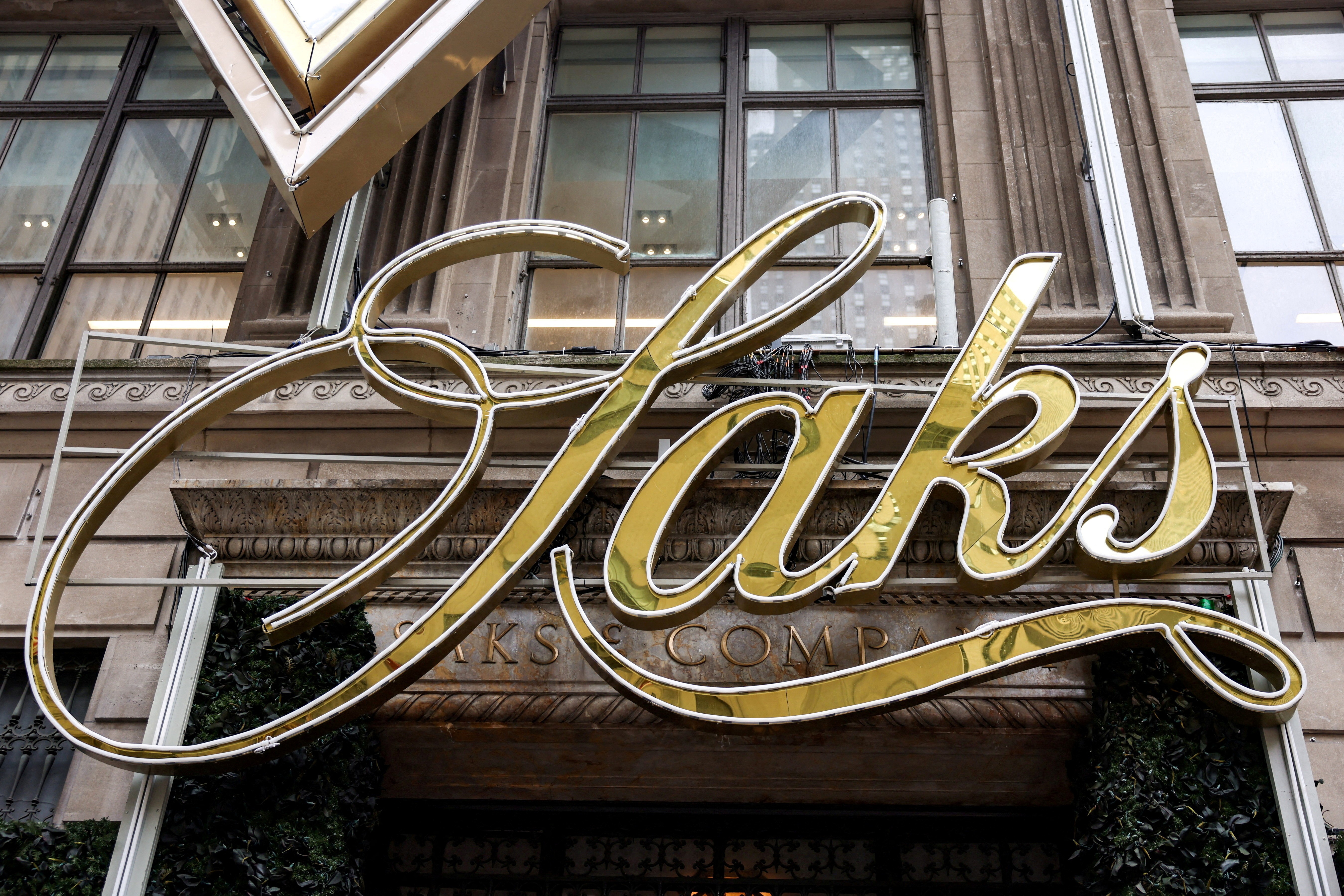
O conglomerado de lojas de departamentos de luxo Saks Global entrou com pedido de proteção contra falência na noite de terça-feira, em um dos maiores colapsos do varejo desde a pandemia, pouco mais de um ano após um acordo que reuniu Saks Fifth Avenue, Bergdorf Goodman e Neiman Marcus sob o mesmo guarda-chuva. A medida gerou incerteza sobre o futuro da moda de luxo nos EUA, embora o varejista tenha informado na manhã de quarta-feira que suas lojas permaneceriam abertas por enquanto, após finalizar um pacote de financiamento de US$ 1,75 bilhão e nomear um novo diretor executivo. O ex-CEO da rede de lojas Neiman Marcus, Geoffroy van Raemdonck, substituirá Richard Baker, que foi o arquiteto da estratégia de aquisições que sobrecarregou a Saks Global com dívidas. A empresa também nomeou os ex-executivos da Neiman Marcus, Darcy Penick e Lana Todorovich, como diretora comercial e chefe de parcerias globais de marcas da Saks Global, respectivamente. A Saks Global estimou, em documentos apresentados ao Tribunal de Falências dos EUA em Houston, Texas, que seus ativos e passivos variam entre US$ 1 bilhão e US$ 10 bilhões. O processo judicial tem o objetivo de dar ao varejista de luxo espaço para negociar uma reestruturação da dívida com credores ou encontrar um novo proprietário. Caso isso não aconteça, a empresa pode ser forçada a fechar. Amada por ricos e famosos, de Gary Cooper a Grace Kelly, a Saks enfrentou dificuldades após a pandemia de COVID, à medida que a concorrência de lojas online aumentou e marcas passaram a vender mais produtos por meio de suas próprias lojas. A loja original Saks Fifth Avenue, conhecida por carregar marcas exclusivas como Chanel, Cucinelli e Burberry, além de seus shows de luzes de Natal, foi inaugurada pelo pioneiro do varejo Andrew Saks em 1867. Acordo de financiamento O novo acordo de financiamento proporcionaria uma injeção imediata de US$ 1 bilhão por meio de um empréstimo de devedor em posse (debtor-in-possession) de um grupo de investidores, informou a Saks Global. A Reuters havia noticiado anteriormente que o empréstimo foi liderado pela Pentwater Capital Management, em Naples, Flórida, e pela Bracebridge Capital, com sede em Boston. Um financiamento adicional de US$ 240 milhões estaria disponível por meio de um empréstimo lastreado em ativos fornecido pelos credores baseados em ativos da empresa, segundo a companhia. O varejista de luxo terá acesso a US$ 500 milhões de financiamento do grupo de investidores assim que sair com sucesso da proteção contra falência, o que é esperado ainda este ano, informou a Saks Global. A empresa solicitou ao tribunal que adiasse a entrega das demonstrações financeiras do grupo em 45 dias, até 13 de março de 2026. Diversas marcas de luxo estavam entre os credores não garantidos, lideradas pela Chanel, com cerca de US$ 136 milhões, e a proprietária da Gucci, Kering, com US$ 60 milhões, segundo o documento judicial. O maior conglomerado de luxo do mundo, LVMH, foi listado como credor não garantido com US$ 26 milhões. No total, a Saks Global estimou que havia entre 10.001 e 25.000 credores. A Kering, com sede em Paris, que também possui marcas como Yves Saint Laurent e Balenciaga, recusou-se a comentar. Chanel, LVMH e Richemont não responderam a pedidos de comentário. Em 2024, Baker foi o mentor da aquisição da Neiman Marcus pela canadense Hudson's Bay Co, que possuía a Saks desde 2013, e posteriormente separou os ativos de luxo dos EUA para criar a Saks Global, reunindo três nomes que definem a moda americana de alto padrão há mais de um século. O acordo de US$ 2,7 bilhões foi estruturado com cerca de US$ 2 bilhões em financiamento de dívidas e contribuições de capital de investidores, incluindo Amazon, Salesforce e Authentic Brands, listados no documento judicial como investidores de capital da Saks Global. Aumento da dívida O acordo com a Neiman Marcus foi projetado para criar um império de luxo, mas sobrecarregou a Saks Global com dívidas em um momento de desaceleração nas vendas globais de luxo. A Saks Global enfrentou dificuldades no ano passado para pagar fornecedores, que começaram a reter estoques. As prateleiras escassamente abastecidas podem ter afastado clientes para concorrentes como a Bloomingdale’s, que reportou fortes vendas em 2025, aumentando a pressão sobre a Saks Global. “Os ricos ainda estão comprando”, disse o analista da Morningstar, David Swartz, no mês passado, “só que não tanto na Saks”. Com falta de liquidez, a Saks Global vendeu no mês passado o imóvel da loja Neiman Marcus Beverly Hills por um valor não divulgado. A empresa também buscava vender uma participação minoritária na loja exclusiva Bergdorf Goodman para ajudar a reduzir a dívida. Em 30 de dezembro, não conseguiu pagar juros superiores a US$ 100 milhões aos detentores de títulos. Fachada da loja principal da Saks na cidade de Nova York Reuters

55m
3 min
0
Read Article
How business leaders are responding to Trump's plan to cap credit card interest rates, from JPMorgan to SoFi
Politics

How business leaders are responding to Trump's plan to cap credit card interest rates, from JPMorgan to SoFi

Business leaders like Klarna's CEO support Trump's credit card cap proposal, while major banks and investors warn of risks. BRENDAN SMIALOWSKI/AFP via Getty Images Donald Trump proposes a 10% cap on credit card interest rates starting January 20, 2026. Business leaders like Klarna's CEO support the cap, while major banks and investors warn of risks. The proposal sparks debate on consumer protection, credit access, and industry profitability. Business leaders have mixed reviews of President Donald Trump's new plan for credit cards. In a post on Truth Social, Trump said on Friday he would call for a one-year cap of 10% on credit card interest rates, arguing that consumers are being "ripped off" by rates that he said can be as high as 20% or 30%. Congress, not the president, has the power to implement such a cap. Similar proposals have previously stalled on Capitol Hill. Major banks, including JPMorgan Chase, UBS, and Citi, warned that a 10% cap could reduce access to credit; others in the financial sector applauded the plan. Here is how business leaders have responded so far Sebastian Siemiatkowski Sebastian Siemiatkowski, CEO and cofounder of Klarna, at the fintech company's IPO on September 10. Bloomberg / Contributor / Getty Images/Reuters Klarna CEO Sebastian Siemiatkowski backs Trump's plan. Siemiatkowski told CNBC in an interview on Monday that traditional credit cards are built to encourage consumers to put most of their spending on credit, and then carry big balances at steep interest rates. That dynamic, he said, pushes people to borrow more than they should and results in higher losses, especially among lower-income borrowers. "I think Trump is wise here and is proposing something that makes a lot of sense," Siemiatkowski told CNBC on Monday. "Capitalism is great, but anarchy is not," Siemiatkowski added regarding consumer protection. In another interview with CNN, Siemiatkowski also said that credit card rewards like cash back and airline miles largely benefit wealthier consumers while lower-income cardholders shoulder more of the costs. Jeremy Barnum JPMorgan Chase CFO Jeremy Barnum speaks at the bank's 2025 Investor Day presentation in New York City on May 19. JPMorgan 2025 Investor Day JPMorgan's CFO said that Trump's plan could upend the company's business model. "It's a very competitive business, but we wouldn't be in it if it weren't a good business for us," said Jeremy Barnum during the company's fourth-quarter earnings call. "And in a world where price controls make it no longer a good business, that would present a significant challenge." JPMorgan said on its fourth-quarter earnings call that debit and credit card sales volume rose roughly 7% year over year and described the business as central to its retail-focused offerings. Jamie Dimon JPMorgan CEO Jamie Dimon. Alexander Tamargo/Getty Images for America Business Forum The CEO of JPMorgan also weighed in on Trump's credit card proposal. Jamie Dimon told investors on the company's fourth-quarter earnings call that reducing card interest rates could adversely affect customers with lower credit scores by limiting access to credit. "If it happened the way it was described, it would be dramatic," Dimon said. Bill Ackman PATRICK T. FALLON/AFP via Getty Images "This is a mistake, President," Bill Ackman, the billionaire CEO of Pershing Square Capital Management, wrote on Friday on X in a now-deleted post. "Without being able to charge rates adequate enough to cover losses and to earn an adequate return on equity, credit card lenders will cancel cards for millions of consumers who will have to turn to loan sharks for credit at rates higher than and on terms inferior to what they previously paid," Ackman added. Ackman said in another post on Saturday that although Trump's goal is one that's "worthy and important," the rate cap is not the way to achieve it. "The best way to bring down rates would be to make it more competitive by making the regulatory regime more conducive to new entrants and new technologies," Ackman wrote. Anthony Noto Mike Ehrmann/TGL/TGL Golf via Getty Images The SoFi CEO believes that his business and consumers could stand to benefit from Trump's credit card rate cap. "If this is enacted — and that's a big if, though part of me hopes it is — we would likely see a significant contraction in industry credit card lending," Anthony Noto wrote in a post on X. "Credit card issuers simply won't be able to sustain profitability at a 10% rate cap." "Consumers, however, will still need access to credit. That creates a large void — one that @SoFi personal loans are well positioned to fill," Noto added. Noto also said that personal loans could be an alternative to addressing debt, though that would make underwriting discipline and borrower education "even more important." Read the original article on Business Insider

58m
3 min
0
Read Article
🎉

You're all caught up!

Check back later for more stories

Back to Home