M
MercyNews
Home
Back
Major Sanitation Works Underway in Cuiabá
Real_estate

Major Sanitation Works Underway in Cuiabá

G1 GloboDec 24
3 min read
📋

Key Facts

  • Approximately 3,000 linear meters of pipes were installed for drainage.
  • Teams removed about 150 tons of waste from storm drains.
  • Águas Cuiabá serves 605,000 people in Cuiabá.
  • Works are located in the historic Prainha Basin.
  • Maintenance is scheduled to continue into Q1 2026.

Quick Summary

Major sanitation infrastructure works are progressing in the Prainha Basin, located in the central region of Cuiabá. The project, driven by concessionaire Águas Cuiabá in 2025, aims to expand sanitary coverage and modernize the city's water supply and drainage systems. The interventions are specifically designed to reduce flooding risks in the city center and surrounding traditional neighborhoods.

Key operational highlights include the installation of approximately 3,000 linear meters of pipes and the removal of roughly 150 tons of debris from storm drains. To enhance precision, the company has integrated inspection robots into its workflow to analyze the internal conditions of underground networks. The works are expected to continue through the first quarter of 2026, with management emphasizing a balance between construction speed and community impact.

🏗️ Scope of the Prainha Basin Project

The Prainha Basin project represents a significant investment in the urban infrastructure of Cuiabá. Covering a large geographic and demographic area, the works include the installation and modernization of sewage collection networks and rainwater drainage systems. These improvements are critical for mitigating floods, particularly in the downtown area where heavy rainfall often disrupts daily life.

According to the concessionaire, the project addresses a historic need in a region that is over 300 years old. The scope of the project involves:

  • Implantation of new collector networks.
  • Modernization of existing water supply lines.
  • Improvement of urban drainage capacity.
  • Strengthening of socio-environmental initiatives.

The company has prioritized agility and quality in the execution of these services, acknowledging the temporary disruptions caused to the local population's routine.

💧 Drainage Improvements and Waste Removal

A specific focus of the 2025 works has been the improvement of urban drainage. Teams from Águas Cuiabá installed approximately 3,000 linear meters of manholes and pipes across various neighborhoods served by the basin. This infrastructure is vital for channeling rainwater and preventing water accumulation on streets.

During the execution of these services, maintenance teams removed approximately 150 tons of waste from the drainage boxes, commonly known as bocas de lobo (storm drains). These drains were previously mapped and inspected throughout the project area. The cleaning and maintenance operations are scheduled to continue into the first trimester of 2026, ensuring the system remains functional until the full completion of the construction works.

🤖 Technology and Innovation in Infrastructure

To support the complex engineering challenges of a central urban area, Águas Cuiabá has invested in technological innovation. The company recently deployed inspection robots within the underground drainage networks. These devices allow for a precise internal analysis of the structures, identifying obstructions, structural wear, and critical points that require attention.

The use of this technology facilitates faster repairs and aids in the planning of continuous improvements to the sanitation system. By utilizing advanced diagnostic tools, the concessionaire aims to minimize invasive procedures and optimize the maintenance of the city's essential services.

Elson Yamamoto, the Construction Manager for Águas Cuiabá, commented on the progress: "The Prainha Basin is a challenging project, mainly because it is located in a central and historical area, over 300 years old. We record our commitment to the completion of the project and thank the population for their trust in the work."

🏢 About Águas Cuiabá

Águas Cuiabá began operations in 2017 under a full concession granted in 2012, valid for 38 years. The company is responsible for water supply and sewage disposal services in the capital of Mato Grosso. Currently, the utility serves a population of 605,000 people with the objective of universalizing access to quality water and sewage collection and treatment.

The company belongs to the Grupo Iguá, a larger entity present in 39 Brazilian municipalities. The group reaches 7.1 million people across the country and operates with the commitment to be the best sanitation company in Brazil.

"A Bacia da Prainha é um projeto desafiador, principalmente por estar localizada em uma área central e histórica, com mais de 300 anos. Registramos nosso empenho para a conclusão do projeto e agradecemos à população pela confiança no trabalho."

— Elson Yamamoto, Gerente de Obras da Águas Cuiabá
#G1

Continue scrolling for more

AI Transforms Mathematical Research and Proofs
Technology

AI Transforms Mathematical Research and Proofs

Artificial intelligence is shifting from a promise to a reality in mathematics. Machine learning models are now generating original theorems, forcing a reevaluation of research and teaching methods.

Just now
4 min
175
Read Article
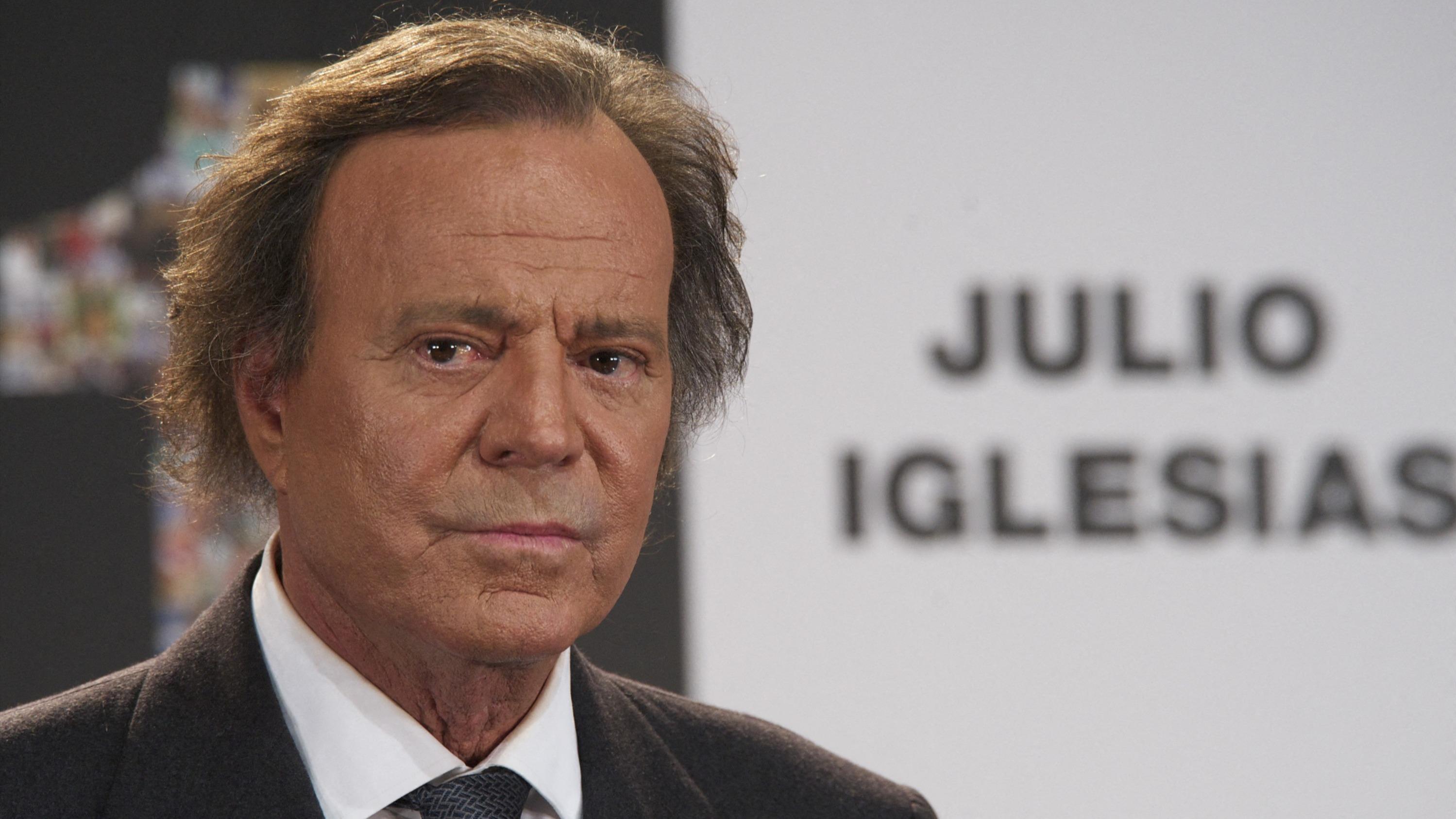
Plainte contre Julio Iglesias : des accusations de «traite d’êtres humains»
Crime

Plainte contre Julio Iglesias : des accusations de «traite d’êtres humains»

Les associations Women’s Link et Amnesty International, qui soutiennent les deux ex-employées du chanteur espagnol, ont écrit que les faits sont «susceptibles de constituer un délit de traite des êtres humains en vue d’imposer le travail forcé et la servitude».

26m
3 min
0
Read Article
From humanoid robots to agentic AI, I learned what retail insiders are buzzing about at a major industry conference
Technology

From humanoid robots to agentic AI, I learned what retail insiders are buzzing about at a major industry conference

I went to NRF 2026. Jordan Hart/Business Insider AI dominated this week's discussions at Retail's Big Show, a leading industry conference. I attended for the first time and saw retail leaders showcase AI-powered shopping tools and chatbots. Gen Z shoppers said they value authenticity and transparency in brands using AI. There were two little letters on everyone's lips: AI. Each year, the National Retail Federation, a leading industry trade group, hosts one of the industry's largest conferences, known as Retail's Big Show. I attended the convention, held in New York City from January 11 to 13, for the first time to hear from industry insiders about the retail trends to watch in 2026. This year's event drew speakers such as Walmart's incoming CEO John Furner and Google CEO Sundar Pichai, who announced a new AI deal this week, as well as Fanatics CEO Michael Rubin. It was clear that artificial intelligence was the big topic on the minds of the attendees from over 5,000 brands at the event. Walking the expo hall, "AI" and "agentic" seemed to be mentioned on nearly every other banner or booth I passed. Onstage, retail leaders touted their AI strategies. Large retailers, such as Walmart and Lowe's, have introduced their own AI shopping agents or partnered with AI platforms like Google's Gemini and OpenAI's ChatGPT; however, these efforts are still in their early stages. I also saw firsthand how some companies are experimenting with new technologies. There were humanoid robots walking up to greet attendees and digital drive-thru menu boards with bright colors advertising to retailers what their AI-powered menus could look like. There were humanoid robots walking around. Jordan Hart/Business Insider Customer service is the driving force behind a lot of AI efforts Despite some of the noise surrounding retail's AI-powered direction, CEOs, including Fran Horowitz of Abercrombie & Fitch, said young founders should keep the fundamentals top of mind while embracing innovation. Improving customer service, for instance, remains at the forefront of retailer decision-making. In one session, Ralph Lauren's chief branding and innovation officer, David Lauren, talked about his brand's longtime partnership with Microsoft. It led to the creation of Ask Ralph, a chatbot-style customer assistant. The bot is powered by Microsoft's AI, but it is designed to function like a styling assistant that suggests clothing based on prompts, such as an occasion you're attending. It's a taste of the future with the personal touch customers may want from a store associate. "It's like having Ralph Lauren in your pocket," Lauren said at the conference. Executives from Microsoft and Ralph Lauren joined NRF CEO Matthew Shay (left) onstage. Jordan Hart/Business Insider Quality takes priority over convenience Currently, AI is most useful for bargain-hunting and basic customer service, according to a panel about Gen Z that included members of The Z Suite, a collective of consultants specializing in the consumer space. Chatbots like Ask Ralph can be convenient in a pinch, but the shopping experience doesn't begin and end there, the Gen Z consultants who ranged in age from 17 to 24 said. Young people seem to still crave some of the old-school fundamentals that define retail: quality, customer service, and in-store experiences. There's no replicating trying on the perfect dress in person, one young panelist said. They said they see AI as a starting point that they can use to find the unique items they covet. They're willing to put in the work to find the right item for them. This includes scouring Reddit for "real" reviews that TikTok influencers may not offer, said Olivia Meyer, a buyer who is part of The Z Suite. And although they're not rushing to get on the phone with a customer service representative, the consultants said they want to talk to a human when their money is at stake. True Religion's CMO, Kristen D'Arcy, hosted a panel of Gen Z professionals. Jordan Hart/Business Insider Consumers want the truth about what they're buying These Gen Z retail professionals, who also included a global merchant for Calvin Klein and a marketing associate, said they want their clothes to come from authentic brands that are transparent about their use of AI. They pointed to online speculation about AI models in ads, saying Gen Z doesn't care if the brands use AI models; they just want the truth. They want to get their money's worth for the clothes that they're buying, which is why data shows this demographic is straying away from fast fashion and toward shopping secondhand on sites like Vinted and eBay. True Religion's chief marketing officer, Kristen D'Arcy, who moderated the panel, said shoppers are craving authenticity in the world of AI-generated content, and it's making them more discerning. To that end, the denim brand has leveraged partnerships that align with its values, such as collaborations with artists like Megan Thee Stallion. The three-day event gave me a glimpse into the retail landscape of 2026. AI may be the loudest trend, but that doesn't mean brands should forget the basics. Read the original article on Business Insider

28m
3 min
0
Read Article
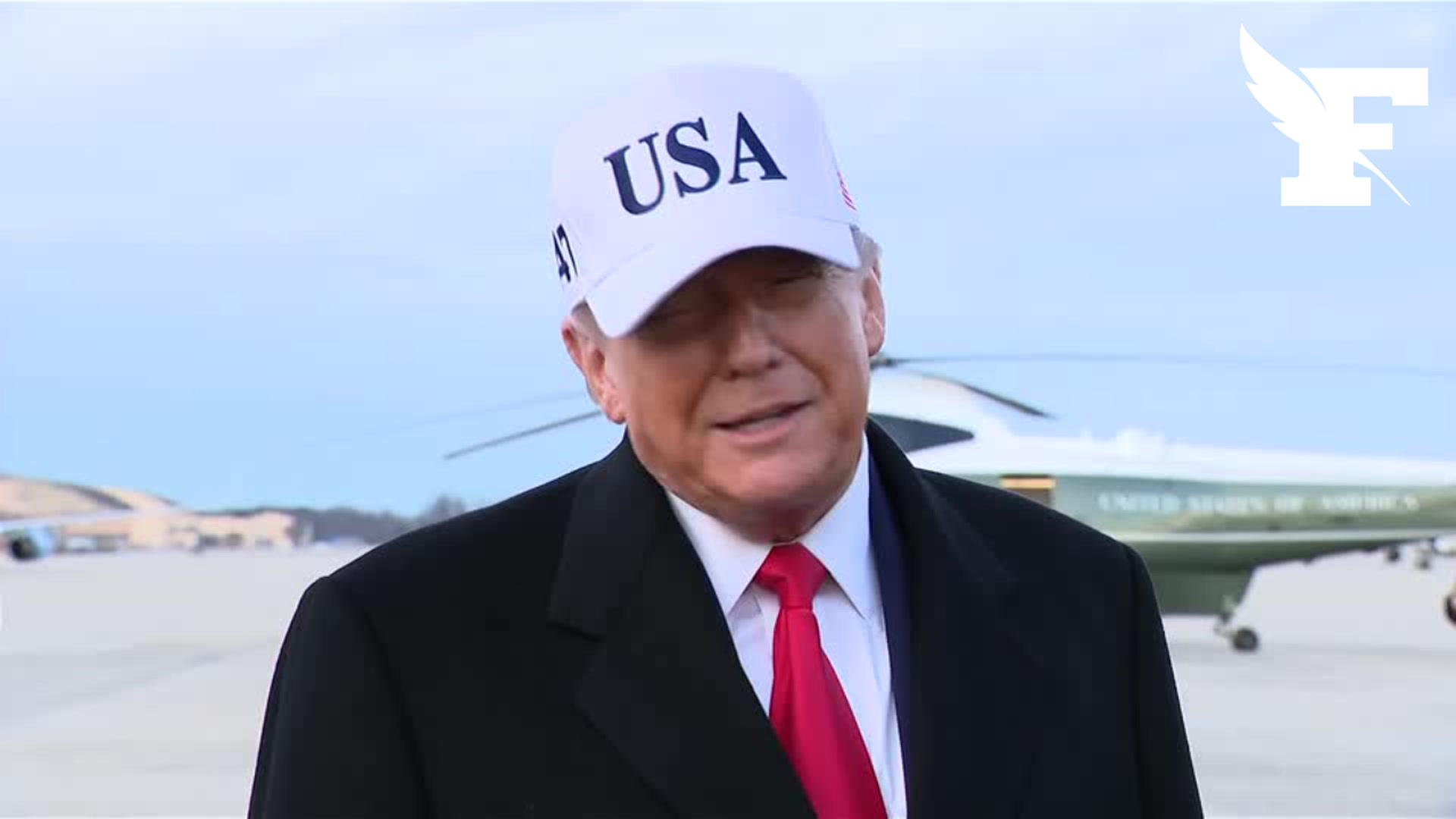
«Je ne sais pas qui il est» : l’étonnante déclaration de Donald Trump sur le premier ministre groenlandais
Politics

«Je ne sais pas qui il est» : l’étonnante déclaration de Donald Trump sur le premier ministre groenlandais

Ce mercredi, des dirigeants du Danemark et du Groenland vont notamment rencontrer à la Maison-Blanche le vice-président américain JD Vance, pour une réunion sous haute tension concernant l’avenir de ce territoire autonome.

32m
3 min
0
Read Article
How business leaders are responding to Trump's plan to cap credit card interest rates, from JPMorgan to SoFi
Politics

How business leaders are responding to Trump's plan to cap credit card interest rates, from JPMorgan to SoFi

Business leaders like Klarna's CEO support Trump's credit card cap proposal, while major banks and investors warn of risks. BRENDAN SMIALOWSKI/AFP via Getty Images Donald Trump proposes a 10% cap on credit card interest rates starting January 20, 2026. Business leaders like Klarna's CEO support the cap, while major banks and investors warn of risks. The proposal sparks debate on consumer protection, credit access, and industry profitability. Business leaders have mixed reviews of President Donald Trump's new plan for credit cards. In a post on Truth Social, Trump said on Friday he would call for a one-year cap of 10% on credit card interest rates, arguing that consumers are being "ripped off" by rates that he said can be as high as 20% or 30%. Congress, not the president, has the power to implement such a cap. Similar proposals have previously stalled on Capitol Hill. Major banks, including JPMorgan Chase, UBS, and Citi, warned that a 10% cap could reduce access to credit; others in the financial sector applauded the plan. Here is how business leaders have responded so far Sebastian Siemiatkowski Sebastian Siemiatkowski, CEO and cofounder of Klarna, at the fintech company's IPO on September 10. Bloomberg / Contributor / Getty Images/Reuters Klarna CEO Sebastian Siemiatkowski backs Trump's plan. Siemiatkowski told CNBC in an interview on Monday that traditional credit cards are built to encourage consumers to put most of their spending on credit, and then carry big balances at steep interest rates. That dynamic, he said, pushes people to borrow more than they should and results in higher losses, especially among lower-income borrowers. "I think Trump is wise here and is proposing something that makes a lot of sense," Siemiatkowski told CNBC on Monday. "Capitalism is great, but anarchy is not," Siemiatkowski added regarding consumer protection. In another interview with CNN, Siemiatkowski also said that credit card rewards like cash back and airline miles largely benefit wealthier consumers while lower-income cardholders shoulder more of the costs. Jeremy Barnum JPMorgan Chase CFO Jeremy Barnum speaks at the bank's 2025 Investor Day presentation in New York City on May 19. JPMorgan 2025 Investor Day JPMorgan's CFO said that Trump's plan could upend the company's business model. "It's a very competitive business, but we wouldn't be in it if it weren't a good business for us," said Jeremy Barnum during the company's fourth-quarter earnings call. "And in a world where price controls make it no longer a good business, that would present a significant challenge." JPMorgan said on its fourth-quarter earnings call that debit and credit card sales volume rose roughly 7% year over year and described the business as central to its retail-focused offerings. Jamie Dimon JPMorgan CEO Jamie Dimon. Alexander Tamargo/Getty Images for America Business Forum The CEO of JPMorgan also weighed in on Trump's credit card proposal. Jamie Dimon told investors on the company's fourth-quarter earnings call that reducing card interest rates could adversely affect customers with lower credit scores by limiting access to credit. "If it happened the way it was described, it would be dramatic," Dimon said. Bill Ackman PATRICK T. FALLON/AFP via Getty Images "This is a mistake, President," Bill Ackman, the billionaire CEO of Pershing Square Capital Management, wrote on Friday on X in a now-deleted post. "Without being able to charge rates adequate enough to cover losses and to earn an adequate return on equity, credit card lenders will cancel cards for millions of consumers who will have to turn to loan sharks for credit at rates higher than and on terms inferior to what they previously paid," Ackman added. Ackman said in another post on Saturday that although Trump's goal is one that's "worthy and important," the rate cap is not the way to achieve it. "The best way to bring down rates would be to make it more competitive by making the regulatory regime more conducive to new entrants and new technologies," Ackman wrote. Anthony Noto Mike Ehrmann/TGL/TGL Golf via Getty Images The SoFi CEO believes that his business and consumers could stand to benefit from Trump's credit card rate cap. "If this is enacted — and that's a big if, though part of me hopes it is — we would likely see a significant contraction in industry credit card lending," Anthony Noto wrote in a post on X. "Credit card issuers simply won't be able to sustain profitability at a 10% rate cap." "Consumers, however, will still need access to credit. That creates a large void — one that @SoFi personal loans are well positioned to fill," Noto added. Noto also said that personal loans could be an alternative to addressing debt, though that would make underwriting discipline and borrower education "even more important." Read the original article on Business Insider

48m
3 min
0
Read Article
Mwanza Crackdown: Post-Election Violence in Tanzania
Politics

Mwanza Crackdown: Post-Election Violence in Tanzania

Following the October elections, Mwanza, Tanzania's second-largest city, became the epicenter of a violent crackdown. New evidence points to security forces committing killings and grave human rights abuses, leaving the true scale of the tragedy unclear.

54m
5 min
6
Read Article
Goldman Sachs Debunks 2026 Economic Doomsday Myths
Economics

Goldman Sachs Debunks 2026 Economic Doomsday Myths

The firm's wealth management unit released its 2026 outlook, countering widespread investor anxiety with data-driven analysis showing continued US economic strength and growth potential.

55m
6 min
6
Read Article
Aventon Soltera 3 ADV: The Perfect Urban E-Bike?
Technology

Aventon Soltera 3 ADV: The Perfect Urban E-Bike?

Aventon has unveiled the Soltera 3 ADV, a lightweight urban e-bike designed for simplicity and low maintenance. Built on minimalist roots, it targets city riders who value easy handling above all else.

55m
5 min
6
Read Article
Indonesian Comedian Faces Blasphemy Complaint Over Netflix Special
Politics

Indonesian Comedian Faces Blasphemy Complaint Over Netflix Special

Stand-up comic Pandji Pragiwaksono's Netflix special 'Mens Rea' has drawn police complaints in Indonesia, sparking a national conversation about the boundaries of comedy and free speech in the world's third-largest democracy.

58m
5 min
6
Read Article
How Michela Allocca Built a 7-Figure Net Worth as a Creator
Economics

How Michela Allocca Built a 7-Figure Net Worth as a Creator

At 30, Michela Allocca left her corporate career to focus on her personal finance brand, Break Your Budget. Within two years, she quadrupled her income and achieved a seven-figure net worth.

58m
5 min
6
Read Article
🎉

You're all caught up!

Check back later for more stories

Back to Home