M
MercyNews
Home
Back
Macron Faces Mercosur Dilemma
Politics

Macron Faces Mercosur Dilemma

Emmanuel Macron is reportedly caught in a strategic trap regarding the Mercosur trade agreement, balancing European alliances against French national interests.

Le Figaro5d ago
3 min read
📋

Quick Summary

  • 1Emmanuel Macron faces a critical dilemma concerning the Mercosur trade agreement.
  • 2He must choose between aligning with European interests and protecting French domestic concerns.
  • 3The situation presents a trap where either choice carries significant political costs.
  • 4If he follows the European line, he risks angering French voters and industries.

Contents

The Political TrapMacron's Strategic ChoiceImplications for Europe and France

Quick Summary#

Emmanuel Macron is currently facing a significant political challenge regarding the Mercosur trade agreement. He finds himself in a difficult position where he must choose between two undesirable outcomes. The first option involves following the broader European consensus, which would likely lead to frustration among the French population and domestic industries. The second option involves defending French interests, which carries the risk of preventing the adoption of the treaty entirely.

According to the analysis, Macron has selected a path that attempts to navigate this trap. He has chosen to defend France while ensuring that his opposition does not lead to the complete failure of the trade deal. This strategy represents a delicate balancing act. It seeks to satisfy domestic demands without alienating European partners completely. The situation underscores the inherent difficulties in managing national interests within the framework of the European Union.

The Political Trap#

The core of the current crisis lies in the conflicting demands placed on the French President. Emmanuel Macron is described as being "pris au piège," or caught in a trap. This trap is defined by the structure of the negotiations and the political climate in France. On one side, there is the pressure to support European integration and free trade. On the other, there is intense domestic pressure to protect the French economy from foreign competition.

The Mercosur agreement represents a flashpoint for these tensions. It is a massive trade bloc comprising South American nations. For the European Union, it represents a significant market opportunity. For France, particularly its agricultural sector, it represents a potential threat. The government must weigh these competing realities carefully.

  • The need to maintain strong European alliances.
  • The imperative to protect French economic interests.
  • The political cost of alienating voters.

Macron's Strategic Choice#

Faced with this dilemma, Macron has reportedly opted for a specific course of action. He has decided to prioritize the defense of France, but with a crucial caveat. He intends to do so without causing the collapse of the treaty. This suggests a strategy of constructive opposition or renegotiation rather than outright rejection.

This choice highlights the complexity of modern European politics. Leaders cannot simply ignore the supranational framework. However, they also cannot ignore their domestic responsibilities. Macron's approach attempts to thread this needle. He seeks to demonstrate that he is listening to French concerns. Simultaneously, he aims to remain a key player in European diplomacy. The success of this strategy depends on the ability to extract concessions from partners while keeping the deal alive.

Implications for Europe and France#

The outcome of this standoff will have lasting effects. If Macron succeeds in modifying the deal to French satisfaction, it could set a precedent for future negotiations. It would demonstrate that a member state can influence EU policy from the inside. However, if he fails to secure meaningful protections, he risks looking weak to his domestic base.

Conversely, if his opposition leads to the treaty's failure, it could strain relations with other EU members. The Mercosur deal is a priority for many nations within the bloc. Blocking it could isolate France. The situation remains fluid. The tension between the European ideal and national reality is palpable. The resolution will likely define the approach to trade policy for years to come.

Frequently Asked Questions

Emmanuel Macron faces a choice between following the European line on the Mercosur trade deal or defending French interests, which risks angering European partners.

Macron has chosen to defend French interests while ensuring that his opposition does not prevent the adoption of the Mercosur treaty.

#Vox Politique

Continue scrolling for more

Dispatch from Tehran: The Week Iranians Revolted
Politics

Dispatch from Tehran: The Week Iranians Revolted

Cut off from the outside world, Iran has been convulsed by some of the worst violence since the 1979 Islamic revolution. A dispatch from Tehran reveals the scale of the uprising.

2h
6 min
7
Read Article
Russia Seizes Rockwool and CanPack Assets
Economics

Russia Seizes Rockwool and CanPack Assets

Russia has placed the assets of two major foreign industrial groups, Rockwool and CanPack, under temporary state management. Valued at 80-90 billion rubles, the move signals a potential shift toward domestic ownership.

2h
5 min
7
Read Article
Açaí é reconhecido em lei como fruta brasileira para evitar pirataria
Politics

Açaí é reconhecido em lei como fruta brasileira para evitar pirataria

Açaí é melhor doce ou salgado? O açaí passou a ser oficialmente reconhecido como uma fruta nacional do Brasil. A medida está prevista na lei nº 15.330 de 2026, publicada no último dia 8, no Diário Oficial da União. A expectativa é que a legislação ajude a coibir casos de biopirataria. Um dos casos mais emblemáticos aconteceu em 2003, quando uma empresa japonesa chegou a patentear o açaí. O registro foi cancelado em 2007, após atuação do governo brasileiro. Típico da região amazônica, o açaí é o fruto do açaizeiro e tem diferentes usos. A polpa é amplamente consumida como alimento e também utilizada pela indústria de cosméticos. As sementes são aproveitadas no artesanato e como fonte de energia, em substituição à madeira. Do caule, é extraído o palmito, enquanto as raízes têm uso tradicional como vermífugo. A nova norma teve origem em um projeto de lei do Senado: o PLS 2/2011, do ex-senador Flexa Ribeiro (PA). Aprovado pelo Senado em 2011, o projeto foi votado pela Câmara dos Deputados (onde tramitou como PL 2.787/2011) no final do ano passado. O texto alterou a Lei 11.675, de 2008, que já reconhecia o cupuaçu como fruta nacional. g1 explora a rota do açaí desde floresta na Amazônia até fábrica em SP Como 'Malhação' e surfista lançaram a moda do açaí na década de 90 Açaí antes da seleção de frutos bons para a comercialização Rafael Leal / g1

3h
3 min
0
Read Article
Stablecoin rewards provisions face industry test in Senate crypto bill
Politics

Stablecoin rewards provisions face industry test in Senate crypto bill

With the CLARITY Act scheduled for a markup on Thursday, some lawmakers could still be at odds over decentralized finance, stablecoins and ethical concerns.

3h
3 min
0
Read Article
L’offre a fondu : pourquoi Ibiza a perdu 50% d’annonces d’hébergements touristiques
Real_estate

L’offre a fondu : pourquoi Ibiza a perdu 50% d’annonces d’hébergements touristiques

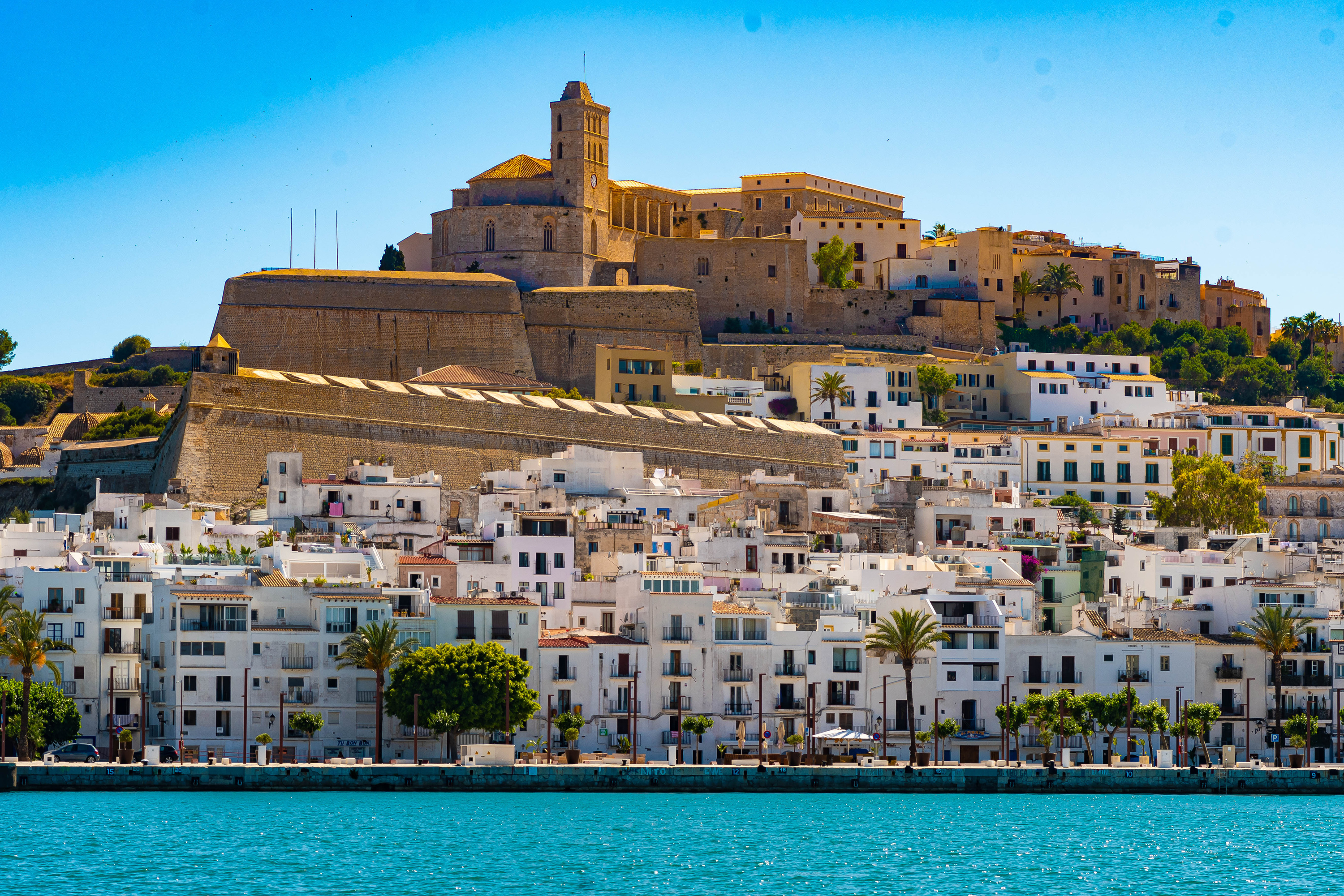
L’île des Baléares recueille les premiers résultats de sa lutte contre les hébergements touristiques de courts séjours illégaux sur Airbnb

3h
3 min
0
Read Article
'Little appetite for regime change’: Trump offers 'help' for Iran's protesters, but what can he do?
Politics

'Little appetite for regime change’: Trump offers 'help' for Iran's protesters, but what can he do?

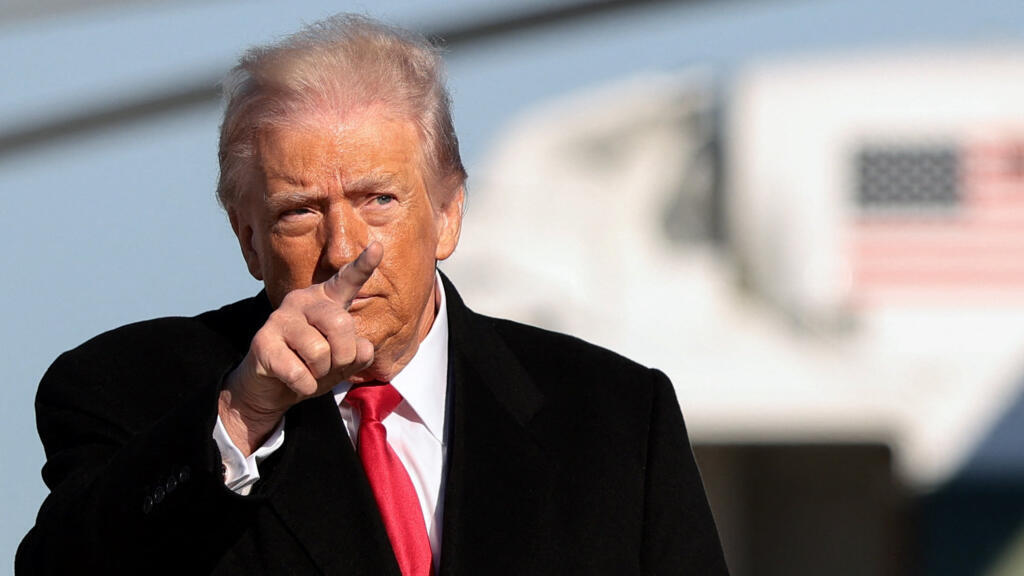
US President Donald Trump told Iranian protesters on Tuesday that “help is on its way” as he weighed options to punish Tehran for its brutal crackdown. As the threat of military action looms, analysts say Trump's inclination for one-off strikes means he is unlikely to push for the regime change craved by many protesters.

3h
3 min
0
Read Article
Verizon gets FCC permission to end 60-day phone unlocking rule
Technology

Verizon gets FCC permission to end 60-day phone unlocking rule

Verizon can keep phones locked to its network for longer after the Federal Communications Commission agreed to waive the carrier's 60-day unlocking requirement, as reported by Ars Technica. Following this decision, Verizon must follow a looser set of guidelines set by the CTIA wireless trade group, which says carriers should only unlock a customer's postpaid phone after their contract is up, when they finish paying off the device, or following the payment of an early termination fee. Meanwhile, the CTIA's code says carriers should unlock prepaid phones "no later than one year after initial activation." The change comes after Verizon asked … Read the full story at The Verge.

3h
3 min
0
Read Article
Israel Plans Major Privatization of Defense Giants
Economics

Israel Plans Major Privatization of Defense Giants

The Israeli government is moving forward with a landmark plan to privatize two of its largest defense contractors through a public share sale on the Tel Aviv Stock Exchange.

3h
5 min
0
Read Article
Uganda Internet Blackout: Election Crackdown
Politics

Uganda Internet Blackout: Election Crackdown

Uganda's authorities have shut down rights groups, arrested opponents and their supporters, now they've turned off the internet. After 40 years in office, President Yoweri Museveni has no intention of stepping down now.

3h
5 min
2
Read Article
French Deputy's Baby Stirs Assembly Controversy
Politics

French Deputy's Baby Stirs Assembly Controversy

A viral video of Mathilde Hignet bringing her baby to the Assemblée has ignited a fierce debate. While intended to highlight parental challenges, the gesture has polarized public opinion.

3h
4 min
6
Read Article
🎉

You're all caught up!

Check back later for more stories

Back to Home