Quick Summary
- 1Greece's former royal summer residence at Tatoï will open to the public in 2026.
- 2Culture Minister Lina Mendoni announced the project will create an accessible green space for multiple activities.
- 3The palace is located approximately 29 kilometers north of Athens.
- 4This marks a crucial first step in making the historic site accessible to all citizens.
A Royal Legacy Opens
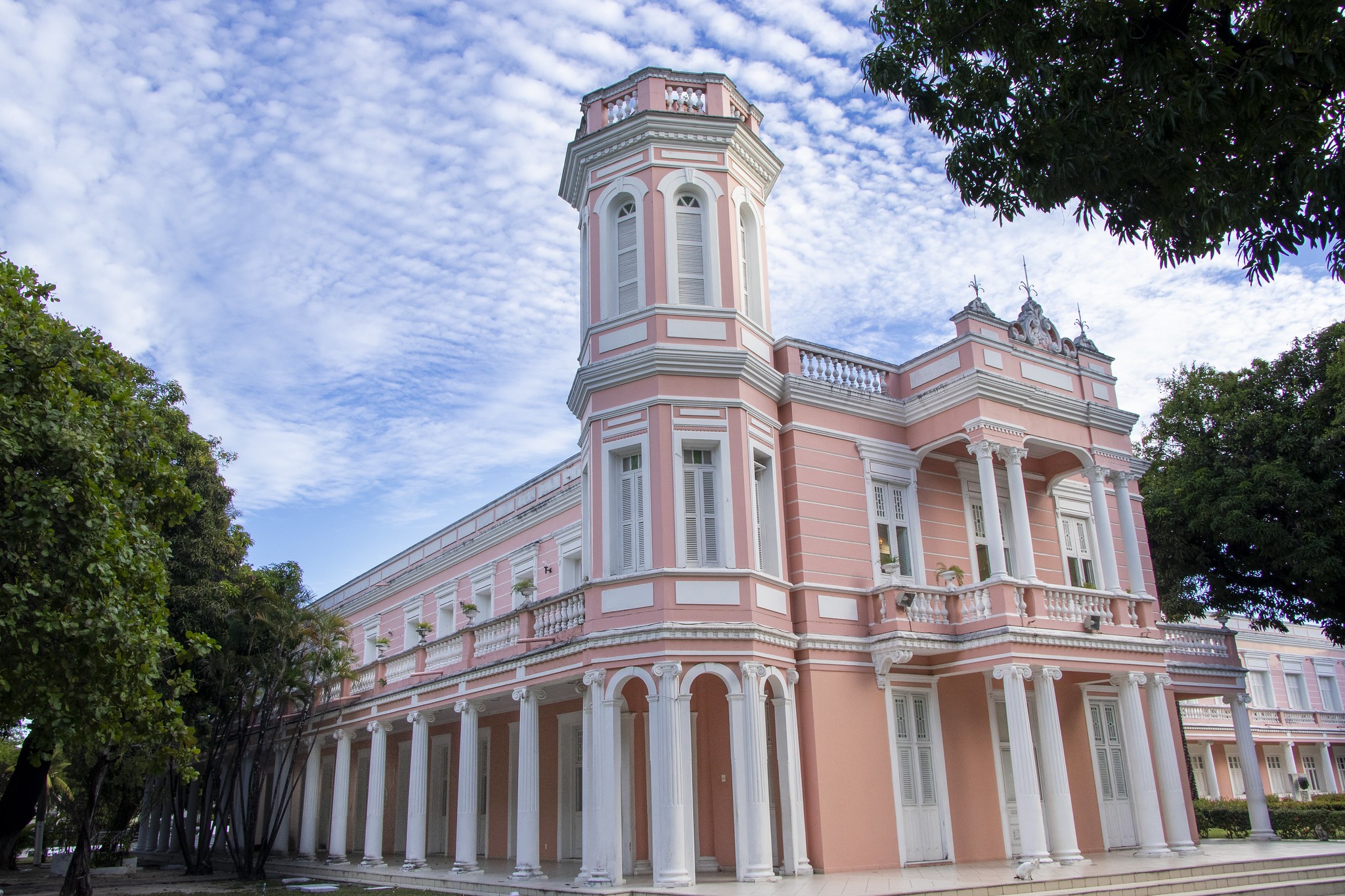
For generations, the Tatoï Palace has stood as a silent witness to Greek history, its halls echoing with the footsteps of royalty while its grounds remained hidden from public view. This long-standing tradition of exclusivity is about to change.
The Greek government has confirmed that the former summer residence of the royal family will undergo a historic transformation, converting its expansive grounds into a publicly accessible green space. This landmark decision represents a significant shift in how the nation preserves and shares its cultural heritage with its citizens.
The 2026 Transformation
Culture Minister Lina Mendoni has outlined a clear timeline for the project, with 2026 marking a pivotal milestone. The initiative will convert the historic site into what officials describe as an "espace vert ouvert et accessible à de multiples activités"—an open green space designed to accommodate diverse public uses.
The palace complex sits approximately 29 kilometers north of Athens, offering a natural retreat from the capital's urban density. The transformation project represents the first crucial step in a broader plan to make this historically significant location accessible to all Greeks.
The development will focus on:
- Creating accessible green spaces for recreation
- Preserving the site's historical integrity
- Enabling multiple public activities
- Opening grounds that have been closed for decades
"espace vert ouvert et accessible à de multiples activités"— Lina Mendoni, Greek Minister of Culture
Cultural Significance
The opening of Tatoï represents more than just a new park—it symbolizes the democratization of cultural heritage in modern Greece. Sites that were once exclusively reserved for the monarchy are gradually being integrated into the nation's public patrimony, allowing citizens to connect with their history in tangible ways.
"espace vert ouvert et accessible à de multiples activités"
This transformation aligns with broader trends in cultural policy, where historical preservation and public access are no longer seen as competing priorities but as complementary goals. The project demonstrates how historic sites can evolve to serve contemporary community needs while maintaining their cultural significance.
Location & Accessibility
Strategically positioned in the Attica region, Tatoï offers an ideal balance of accessibility and natural seclusion. The 29-kilometer distance from Athens places it within easy reach for day trips while maintaining the tranquil atmosphere that made it a favored royal retreat.
The site's conversion to public use addresses growing demand for green spaces in the greater Athens metropolitan area. As urban density increases, the availability of natural, historically rich recreational areas becomes increasingly valuable for public health and community wellbeing.
Future visitors can expect:
- Easy access from the capital
- Preserved historical architecture
- Extensive natural landscapes
- Spaces for various recreational activities
Looking to the Future
The 2026 opening represents just the beginning of Tatoï's new chapter. As the project moves forward, it will serve as a model for how nations can balance heritage preservation with public accessibility.
This initiative reflects a broader commitment to making cultural landmarks part of everyday life rather than distant monuments. By opening its doors to the public, Tatoï will finally fulfill its potential as a space where history, nature, and community converge.
Frequently Asked Questions
The former royal summer palace at Tatoï, located 29 kilometers north of Athens, will transform into an open green space accessible to the public for the first time.
Greek Culture Minister Lina Mendoni announced that the project will reach a crucial first step in 2026, making the historic site available for multiple public activities.
This represents the democratization of a historically exclusive royal site, allowing Greek citizens to access a landmark that has been closed to the public for decades.
The palace is situated approximately 29 kilometers north of Athens in the Attica region, making it easily accessible for day trips from the capital.