Key Facts
- ✓ Across the continent, the number of older citizens is steadily rising, creating a demographic pressure point for national economies.
- ✓ This demographic shift is directly straining government budgets, forcing a re-evaluation of long-term financial commitments.
- ✓ Policymakers are now confronted with difficult political decisions that balance fiscal health against social promises.
- ✓ The situation highlights a fundamental challenge within the European social model, questioning its sustainability for future generations.
A Demographic Crossroads
Across the continent, a profound demographic shift is underway. A steadily rising number of older people is placing immense pressure on the financial structures that have supported European societies for decades. This trend is no longer a distant forecast but a present-day reality, forcing a critical examination of the continent's most cherished social programs.
The core of the issue lies in the delicate balance between a nation's promises and its fiscal capabilities. As the population ages, the systems designed to provide security in retirement are being tested like never before. The result is a growing tension that is sparking difficult conversations in capitals from Paris to Warsaw, challenging leaders to find a path forward that is both economically sound and socially just.
The Budgetary Strain
The financial implications of an aging population are becoming increasingly clear. State pensions, long considered a bedrock of the European social contract, are now at the center of a fiscal storm. As the ratio of retirees to active workers widens, the math becomes increasingly challenging for national budgets.
With fewer contributors and more beneficiaries, the traditional pay-as-you-go model faces a structural deficit. This isn't a temporary shortfall but a sustained pressure that compounds year after year. Governments are discovering that their long-term fiscal planning must account for a reality that was not envisioned when these systems were first established.
The strain manifests in several key areas:
- Increased public spending on pensions as a percentage of GDP
- Reduced fiscal space for other public investments like infrastructure and education
- Higher tax burdens on the current workforce to maintain the system
- Mounting national debt to cover the growing gap
The Political Dilemma
Beyond the balance sheets lies a far more complex challenge: the political difficulty of reform. Pension systems are deeply intertwined with a nation's identity and the expectations of its citizens. Any attempt to alter the status quo, whether by adjusting retirement ages or modifying benefit formulas, is met with fierce public resistance.
Politicians are therefore caught in a difficult position. They must address a looming financial crisis while navigating a political landscape where any change can be career-ending. The decisions made today will have consequences for decades, yet the pressure to deliver immediate solutions often conflicts with the need for long-term structural adjustments.
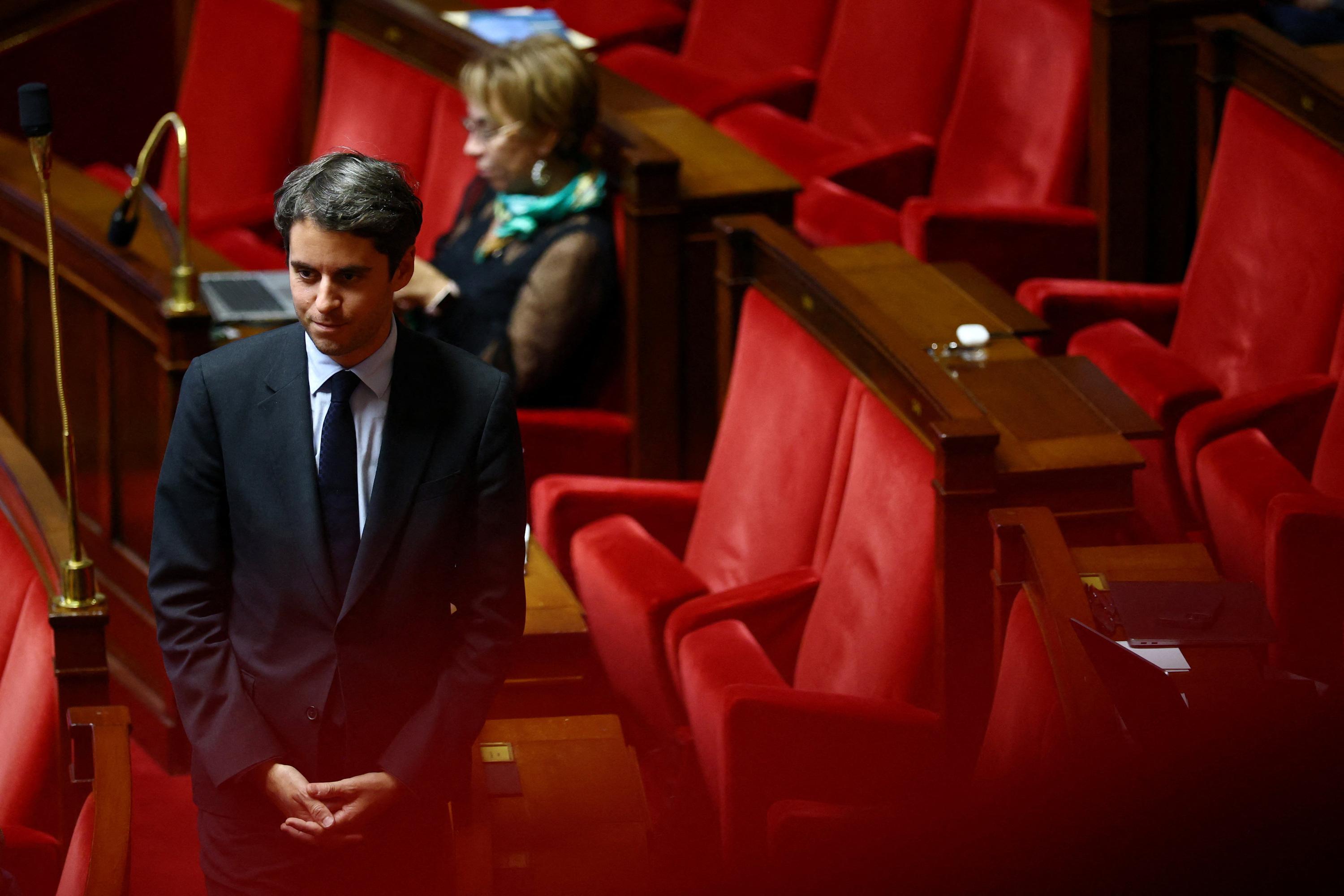
Difficult political decisions are being made in response to these pressures.
This dilemma is not confined to any single country or political ideology. It is a continent-wide phenomenon that transcends traditional left-right divides, forcing a fundamental re-evaluation of the relationship between the state and its citizens.
A Continent-Wide Challenge
While the specifics may vary from country to country, the underlying trend is universal. From the Nordic nations with their comprehensive welfare states to the Southern European countries with different demographic profiles, all are facing similar headwinds. The common thread is the demographic transition: longer life expectancies combined with declining birth rates.
This demographic imbalance is the engine driving the crisis. It means that for the foreseeable future, the proportion of the population over the age of 65 will continue to grow. This structural reality dictates that solutions cannot be temporary fixes but must be part of a comprehensive, long-term strategy.
The challenge is compounded by economic factors such as:
- Slower economic growth in mature economies
- Global competition affecting wage growth and job security
- The need to invest in new sectors to drive future prosperity
These factors make it even more difficult to generate the wealth needed to support a growing retired population without placing an excessive burden on the young.
The Future of Retirement
The current trajectory is forcing a fundamental rethinking of what retirement means in the 21st century. The traditional model of a long, fully-funded retirement is becoming mathematically difficult to sustain. This is prompting discussions about innovative policy solutions that could reshape the social landscape.
Debates are emerging around a range of possibilities, from gradual increases in the retirement age to reflect longer lifespans, to creating more flexible work options for older citizens who wish to remain active. There is also a growing conversation about the role of private savings and how to encourage them without abandoning the principle of collective security.
Ultimately, the path forward will require a delicate balance. It will involve difficult choices about resource allocation and a national conversation about intergenerational fairness. The solutions will not be simple, nor will they be universally popular, but the need to find them is becoming increasingly urgent.
Key Takeaways
The conversation around European state pensions is a complex one, touching on economics, demographics, and the very nature of the social contract. The core issue is undeniable: a demographic shift is challenging the sustainability of systems designed for a different era.
As the continent moves forward, the key points to remember are:
- The problem is structural, driven by long-term demographic trends, not temporary economic cycles.
- Political will is as crucial as fiscal policy; any solution requires public consensus.
- Reform is not a single event but a continuous process of adaptation.
- The decisions made now will define the quality of life for both current and future generations.
Europe stands at a crossroads, and the choices it makes about its pension systems will have profound implications for its economic stability and social cohesion for decades to come.