EU-Mercosur Deal: Environmental Concerns Rise
Politics

EU-Mercosur Deal: Environmental Concerns Rise

Deutsche Welle2h ago
3 min read
📋

Key Facts

  • The European Union is preparing to sign a comprehensive trade deal with South America's Mercosur bloc, a process that has been years in the making.
  • Intensifying competition from both the United States and China is providing the primary impetus for the EU to finalize this strategic partnership.
  • While the agreement promises significant economic opportunities, environmental critics warn that ecological considerations are being sacrificed for commercial gain.
  • The deal aims to eliminate tariffs on a wide range of goods, creating a massive free-trade zone that spans two continents.

A Historic Partnership

The European Union is on the verge of signing a landmark trade agreement with South America's Mercosur bloc, concluding years of complex negotiations. This deal promises to create one of the world's largest free-trade zones, connecting markets from the Atlantic to the Alps.

However, the timing of this agreement is driven by more than just economic synergy. Rising geopolitical tensions and competition from global powers are pushing the deal toward completion. While the potential for economic growth is immense, a chorus of critics warns that the environmental consequences may be a high price to pay.

Global Pressures Mount

The renewed urgency to finalize the agreement stems from a shifting global landscape. The United States and China are both vying for influence and trade partnerships in resource-rich South America. This geopolitical chess game has incentivized the EU to solidify its own strategic and economic ties with the region.

By securing preferential access to the Mercosur market, the EU aims to bolster its position against its rivals. The deal is seen as a crucial step in maintaining European relevance in a multipolar world. Key areas of focus include:

  • Reducing tariffs on European industrial goods
  • Securing access to South American agricultural products
  • Establishing a unified strategic counterweight

The Economic Promise

Proponents of the deal highlight unexplored opportunities for both continents. For European businesses, the agreement opens doors to a market of over 260 million consumers, eliminating import taxes on cars, machinery, and pharmaceuticals. Conversely, South American producers gain easier access to European shelves for their beef, soy, and ethanol.

The deal is framed as a mutual boon that could stimulate growth on both sides of the Atlantic. It represents a significant step toward deregulating trade and fostering investment. The core belief is that increased commerce will lift economies and create jobs, binding the two regions closer together through shared prosperity.

The Environmental Cost 🌿

Despite the economic optimism, environmental groups and critics are sounding the alarm. They argue that the pursuit of trade deals is sidelining critical environmental protections. There are deep concerns that the agreement could accelerate deforestation in the Amazon rainforest and other vital ecosystems to meet increased demand for agricultural goods.

The rush to seal the deal may be overlooking the long-term ecological fallout. Critics fear that without robust, enforceable environmental clauses, the agreement could incentivize unsustainable practices. The central conflict remains:

Short-term economic gains versus long-term planetary health.

The potential for increased carbon emissions from transportation and industrial expansion remains a primary concern for environmental watchdogs.

A Delicate Balance

The impending agreement forces a difficult choice for policymakers. They must navigate the competing demands of economic security, geopolitical strategy, and environmental stewardship. The deal stands at the intersection of these powerful forces, representing a test of whether trade can be truly sustainable.

As the signature nears, the world watches to see if the final text will include meaningful safeguards for the planet. The outcome will set a precedent for future international partnerships. The focus now shifts to the implementation and the real-world impact of this historic, yet controversial, pact.

Looking Ahead

The EU-Mercosur deal is more than a trade agreement; it is a reflection of our current global priorities. It highlights the tension between the drive for economic expansion and the urgent need for environmental protection. The coming months will be critical in determining the final shape and impact of this partnership.

Ultimately, the legacy of this deal will be judged not just by the wealth it generates, but by the world it helps to shape. Stakeholders on all sides will be watching closely to ensure that the pursuit of opportunity does not come at an unacceptable cost to the environment.


#World

Continue scrolling for more

I'm a federal attorney. I've leveraged my White House experience into a side hustle that makes $70,000 annually.
Economics

I'm a federal attorney. I've leveraged my White House experience into a side hustle that makes $70,000 annually.

Jennifer Clinchy worked at the White House for nine years. Courtesy of Jennifer Clinchy Jennifer Clinchy is a federal attorney who worked at the White House for 9 years. She started a résumé writing side business after reviewing cabinet appointee applications. She makes about $70,000 annually writing resumes and uses the money to restore her historic home. This as-told-to essay is based on a conversation with Jennifer Clinchy, owner of Clinchy Career Consulting. It has been edited for length and clarity. I was a White House attorney for nine years, spanning three different presidents (Obama, Trump, and Biden). Six years ago, I started working for the National Oceanic and Atmospheric Administration, but I still get teary-eyed when I think about my time in the White House. As the daughter of immigrants, I never dreamed I'd be reporting to work on Pennsylvania Avenue each day. I loved that some of the brightest people in the country were my colleagues. I hold a dual degree in law and policy, and one of my responsibilities at the White House was to prepare presidential appointees for their Senate confirmation hearings. In that role, I reviewed hundreds of résumés and cover letters. I helped people stand out in what's essentially a very high-stakes job interview. Working with these incredible candidates who applied for powerful and influential positions led me down an unexpected career path: résumé writing. I became a federal attorney for the purpose and security My parents raised me to be self-sufficient. They were both hardworking. My dad taught me that education is particularly valuable because it can never be taken away from you; No matter what happens, you'll always have your education. Jennifer Clinchy charges $2,000 for a résumé and cover letter. Courtesy of Jennifer Clinchy I attended law school in Washington, D.C., where the federal government is omnipresent. I was drawn to federal jobs not only because of the perceived security, but because I felt they mattered. With this work, I could help people, defend justice, and protect the environment. After about 14 years as a federal attorney, my salary is about $186,000. I charge $2,000 to write a résumé and cover letter I'd been reviewing résumés for friends, colleagues, and mentees for years. Then, in early 2020, one of my friends said, "You're really good at this. Have you ever considered it as a career path?" His question made me realize I had this latent talent that I'd never really considered harnessing. Soon after, the pandemic hit. I was used to traveling about twice a month for work, and when that stopped, I had time to spare. I signed up for Fiverr and started writing résumés. Initially, I set my prices low, but I soon realized I wanted to emphasize quality over quantity. Today, I charge $2,000 for a résumé and cover letter. I spend many hours reviewing each client's history and experience to determine the best way to present them in the most favorable light. The résumé income helps me repair my historic home Over the past five years, I've earned more than $260,000 on Fiverr. I also work directly with clients, so my average annual income from résumés over those years has been about $70,000. Jennifer Clinchy is using her extra money to maintain her home. Courtesy of Jennifer Clinchy I now live in Seattle, where the cost of homes is very high. I worried I wouldn't be able to afford a home on just my federal salary alone. The résumé business has enabled me to purchase a historic home and complete the costly renovations it requires, including new flooring, a new roof, and an earthquake-resistant system. Essentially, the bulk of my résumé income goes toward maintenance and repairs on my home. My federal job pays the mortgage and other essentials. During the recent federal shutdown, I was furloughed, and résumé writing became especially important. I generated about $18,000 in résumé writing over those six weeks. My clients keep me doing the work As an attorney, I work roughly 9-to-5. When I get home, I spend about two to three hours most week nights writing résumés. On weekends, I work on résumés for anywhere from five to 20 hours, depending on my workload. If that sounds exhausting, it's because it is. I don't have much free time, but I'm making a conscious choice to spend it this way. I prioritize sleep and exercise, especially as I age. The money from résumé writing is wonderful, but what really keeps me engaged are the clients. I worked with a food scientist who held a patent on a famous potato chip, and the vice president of a record label who worked with artists I hear on the radio. My most meaningful job was helping a person living in a domestic violence shelter get a job for the first time, which helped her secure a better future for her family. There's no way to put the value of that into words or dollars. Read the original article on Business Insider

7m
3 min
0
Read Article
Concurso do Ipaam abre inscrições com salários de até R$ 11,6 mil no AM; veja como fazer
Politics

Concurso do Ipaam abre inscrições com salários de até R$ 11,6 mil no AM; veja como fazer

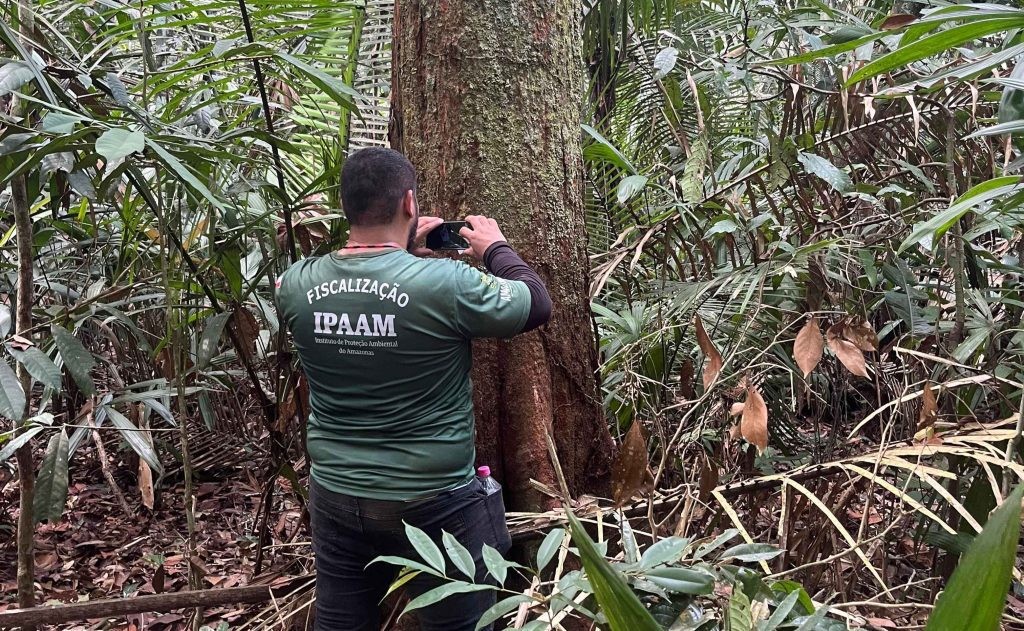
Como estudar legislação para concurso? O Instituto de Proteção Ambiental do Amazonas (Ipaam) abriu nesta sexta-feira (16) as inscrições para o concurso público com 140 vagas de níveis médio e superior. Os salários podem chegar a R$ 11,6 mil. As provas estão previstas para 29 de março de 2026, em Manaus. As inscrições devem ser feitas pela internet, no site do Cebraspe, banca organizadora do certame, até as 23h59 do dia 30 de janeiro de 2026. A taxa é de R$ 70 para candidatos a cargos de nível médio e R$ 90 para os de nível superior. As vagas são para: Assistente ambiental - voltadas a quem possui ensino médio completo Analista ambiental - destinadas a profissionais com formação superior em diversas áreas ligadas à proteção e gestão ambienta De acordo com o edital, os candidatos passarão por provas objetivas e, no caso dos cargos de nível superior, também por avaliação discursiva. Algumas funções exigirão ainda análise de títulos. A aplicação está marcada para o fim de março, em Manaus. 📲 Participe do canal do g1 AM no WhatsApp O governo do Amazonas destaca que o concurso do Ipaam é um dos maiores já realizados pelo instituto e faz parte de um esforço para ampliar a capacidade de atuação na defesa do meio ambiente, em um estado que concentra a maior parte da floresta amazônica. LEIA TAMBÉM Concursos públicos no Amazonas: veja certames previstos para 2026 Governador anuncia convocação de mais de 800 aprovados em concursos de segurança pública no Amazonas Agente do Ipaam em campo Divulgação

24m
3 min
0
Read Article
🎉

You're all caught up!

Check back later for more stories

Back to Home