Key Facts
- ✓ The Director of the Central Intelligence Agency traveled to Caracas for a meeting with Venezuela's interim president.
- ✓ This high-profile visit occurred nearly two weeks after U.S. military forces captured President Nicolás Maduro in a raid.
- ✓ The engagement is being viewed as a significant diplomatic signal that could reshape U.S. policy in the region.
- ✓ The meeting with the interim president may be perceived as a snub to the country's traditional opposition figures.
- ✓ The use of an intelligence chief for this diplomatic mission highlights the sensitive nature of the situation.
A Diplomatic Shift in Caracas
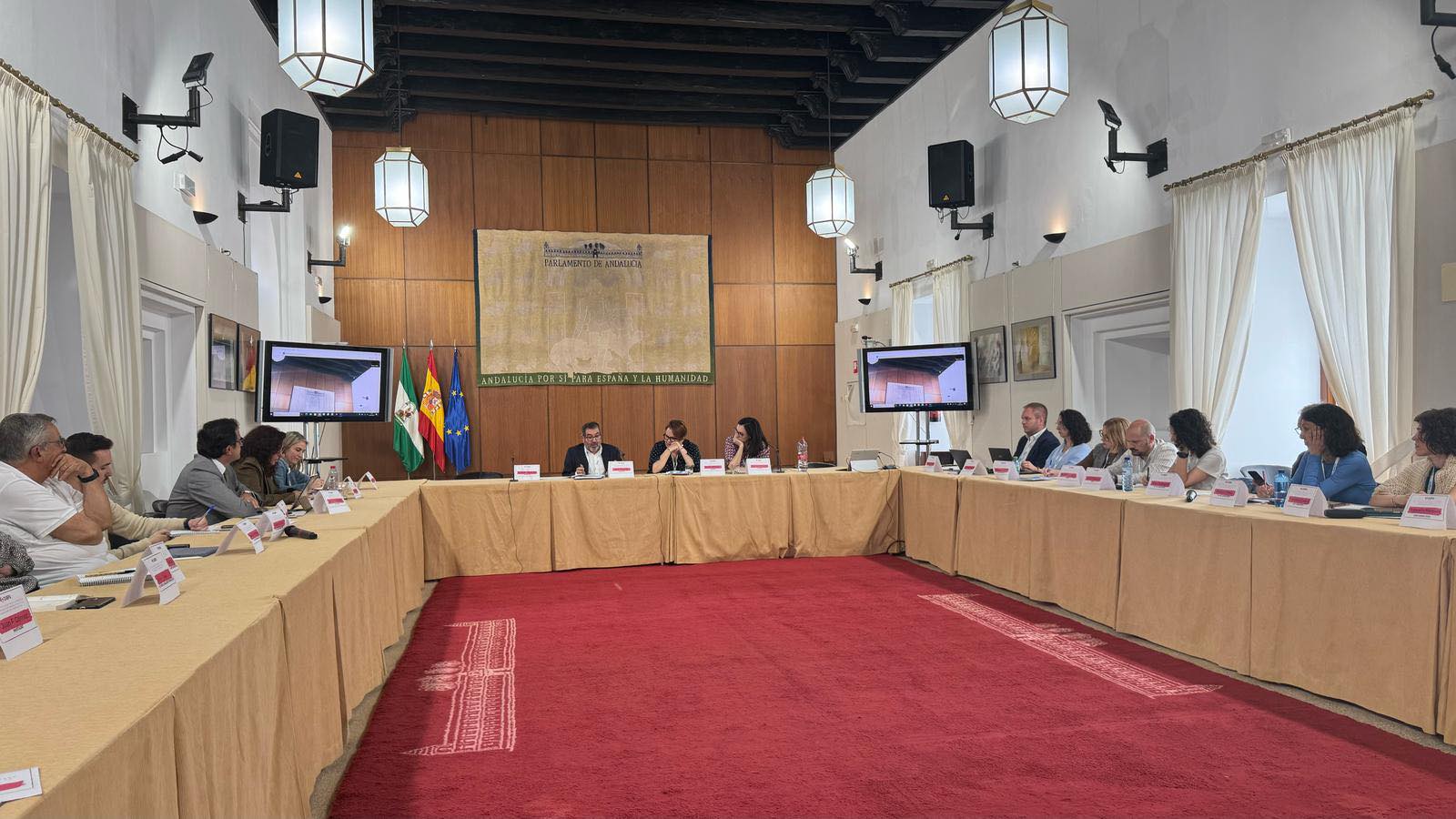
In a move that has sent ripples through diplomatic circles, the Director of the Central Intelligence Agency traveled to Caracas for a high-stakes meeting. The engagement was held with Venezuela's interim president, marking a significant moment in the nation's turbulent political landscape.
The visit comes at a critical juncture, nearly two weeks after a dramatic U.S. military operation resulted in the capture of President Nicolás Maduro. This development suggests a new chapter in foreign relations, one defined by direct engagement rather than isolation.
The Context of the Meeting
The timing of the CIA Director's arrival in the Venezuelan capital is particularly noteworthy. It follows a major military action that fundamentally altered the nation's power structure. The meeting with the interim president signals a potential willingness to work with the new leadership emerging from this power vacuum.
Such a high-level visit from an intelligence chief is uncommon and typically signals a substantive shift in strategy. The encounter suggests that Washington is actively exploring new diplomatic channels in the wake of Maduro's removal.
Regional Implications
The meeting carries weighty implications for the broader Latin American region. By engaging directly with the interim leadership, the United States may be positioning itself to influence the transition process. This approach could help stabilize a volatile situation or, conversely, inflame existing tensions.
The choice of the Central Intelligence Agency to lead this engagement, rather than traditional State Department channels, is itself a significant detail. It underscores the sensitive and complex nature of the current geopolitical environment.
A Perceived Snub
The high-profile visit is not without its controversies. The engagement with the interim president could be interpreted as a deliberate snubbing of the opposition. For years, the U.S. has supported various opposition groups challenging Maduro's rule.
Now, with a new power structure in place, the focus appears to have shifted. This meeting may signal that Washington is prioritizing stability and direct access over its previous allegiance to specific opposition figures. The move could alienate long-standing allies who feel sidelined by this new diplomatic calculus.
What Comes Next?
The meeting in Caracas opens a new and uncertain chapter. All eyes will be on how the interim government consolidates its authority and whether it receives formal recognition from the international community. The role of the United States will be pivotal in shaping this outcome.
Furthermore, the U.S. military's continued presence and actions in the region will be closely monitored. This diplomatic outreach, combined with military pressure, creates a complex, multi-faceted strategy that will define the path forward for Venezuela and its people.
Key Takeaways
The visit by the CIA Director is more than a simple diplomatic courtesy; it is a strategic maneuver with far-reaching consequences. It highlights a potential pivot in U.S. policy towards Venezuela, moving from containment to active engagement with the post-Maduro leadership.
Ultimately, this event underscores the fluidity of international politics. As Venezuela navigates its future, the alliances forged in the coming weeks will be crucial. The meeting in Caracas is a clear signal that the old rules may no longer apply.